




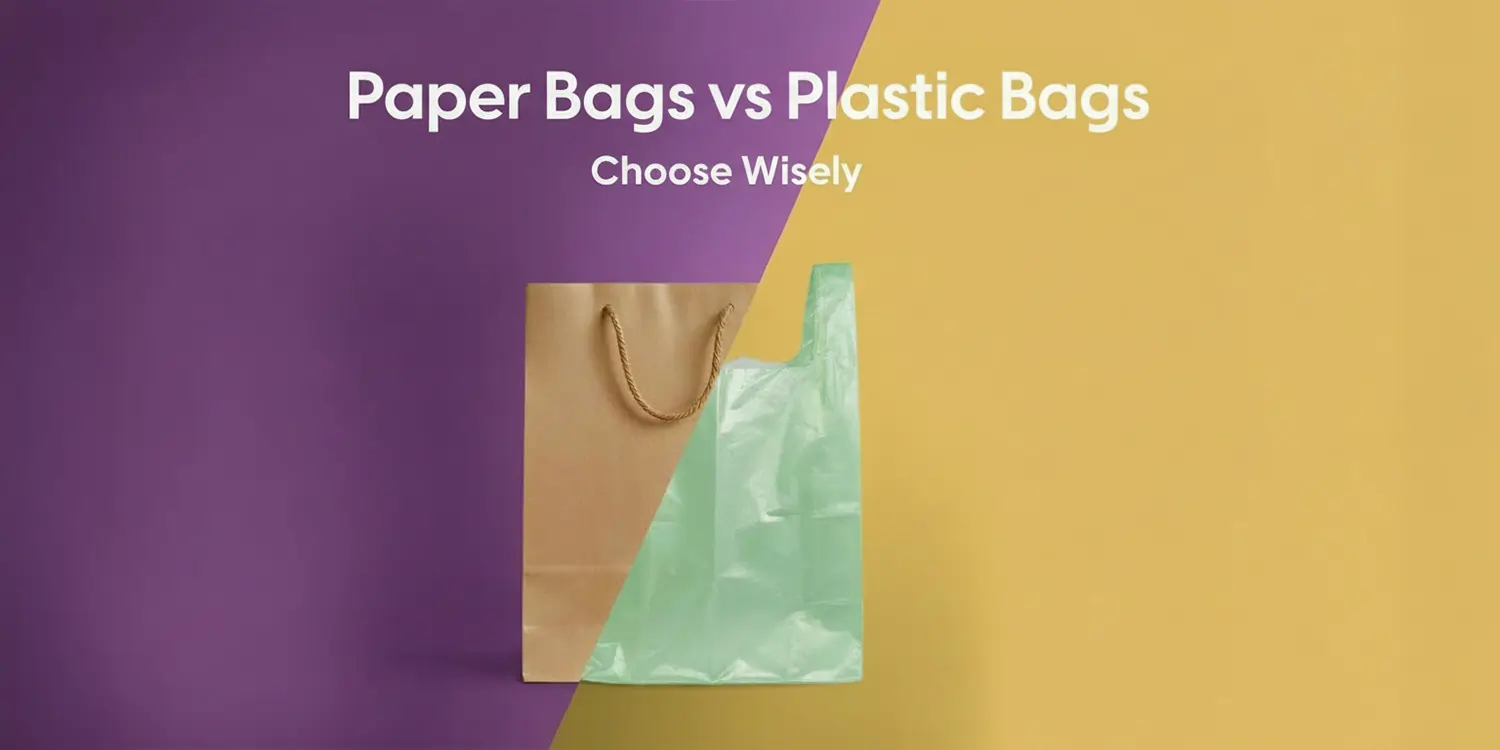
Paper Bags vs Plastic Bags: Which Is More Sustainable?
Paper Bags vs Plastic Bags: Which Is More Sustainable? The debate around Paper Bags vs Plastic Bags has become more
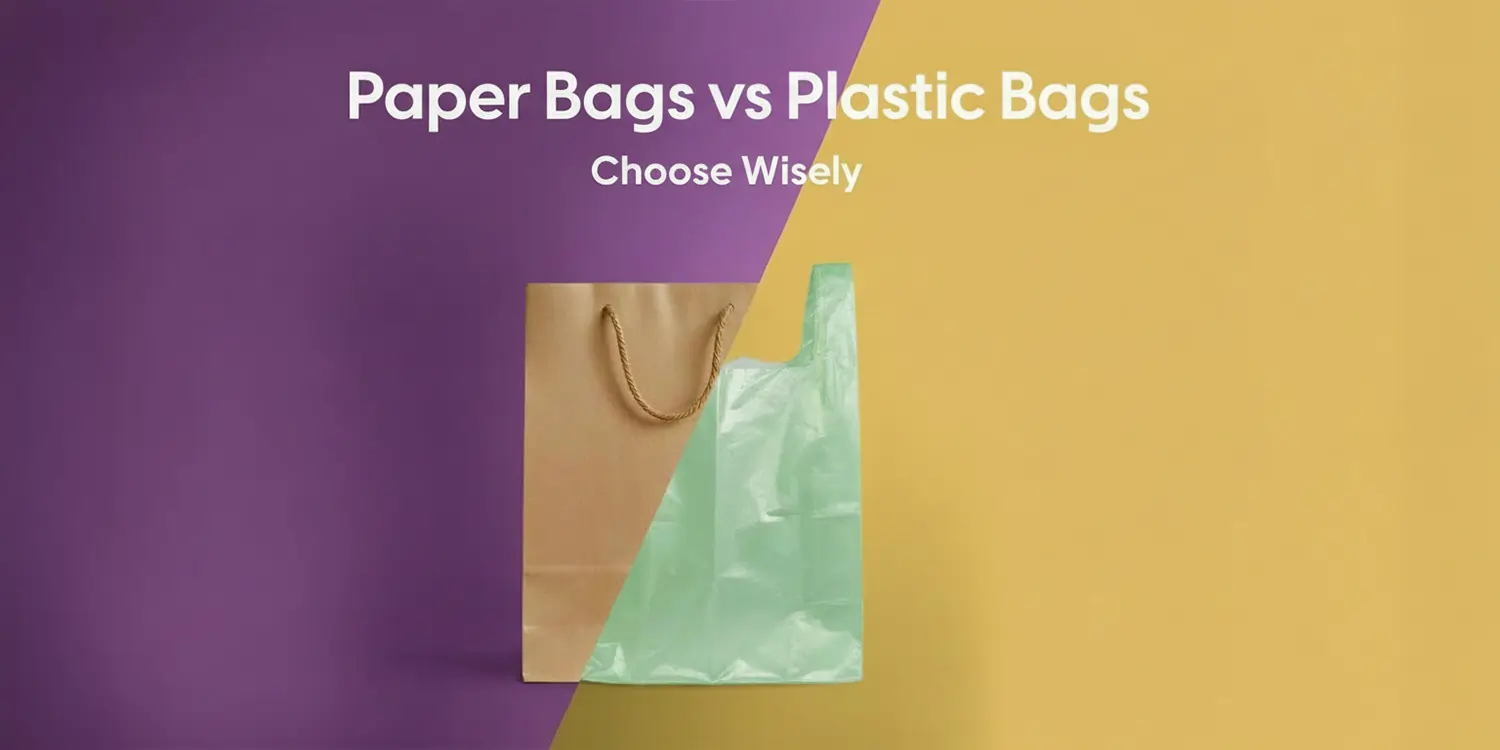
The debate around Paper Bags vs Plastic Bags has become more important than ever. Every day, millions of bags are used for shopping, packaging, and delivery—and we usually don’t think twice about it. But have you ever stopped to ask which one is actually better for the environment?
Both paper and plastic bags do the same basic job, but their impact on nature is completely different. One breaks down naturally and returns to the earth, while the other can stay in the environment for hundreds of years, causing long-term pollution issues.
In this blog, we’ll break everything down in a simple, easy-to-understand way. We’ll look at what paper and plastic bags are made of, their pros and cons, how they are produced, their environmental impact, cost differences, everyday usage, and even future trends. By the end, you’ll have a clear idea of which option is truly more sustainable.
What Are Paper and Plastic Bags Made Of?
Paper Bags
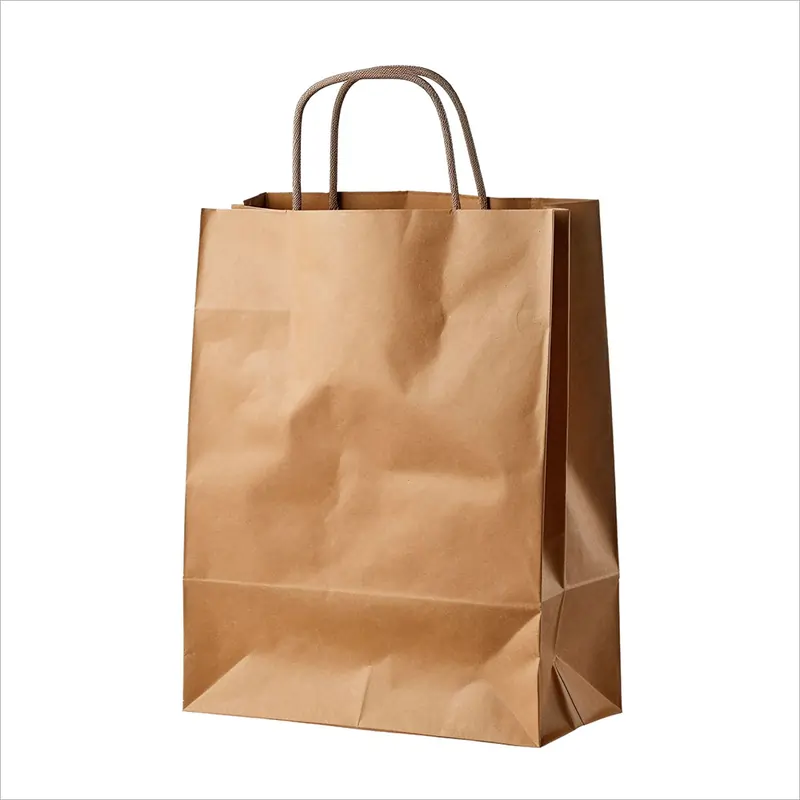
Paper bags are made from natural materials like wood pulp. It starts with trees, which are processed into pulp and then converted into paper sheets. These sheets are later cut, folded, and glued to form bags. Because paper comes from natural sources, it is biodegradable and breaks down easily in the environment over time.
Plastic Bags
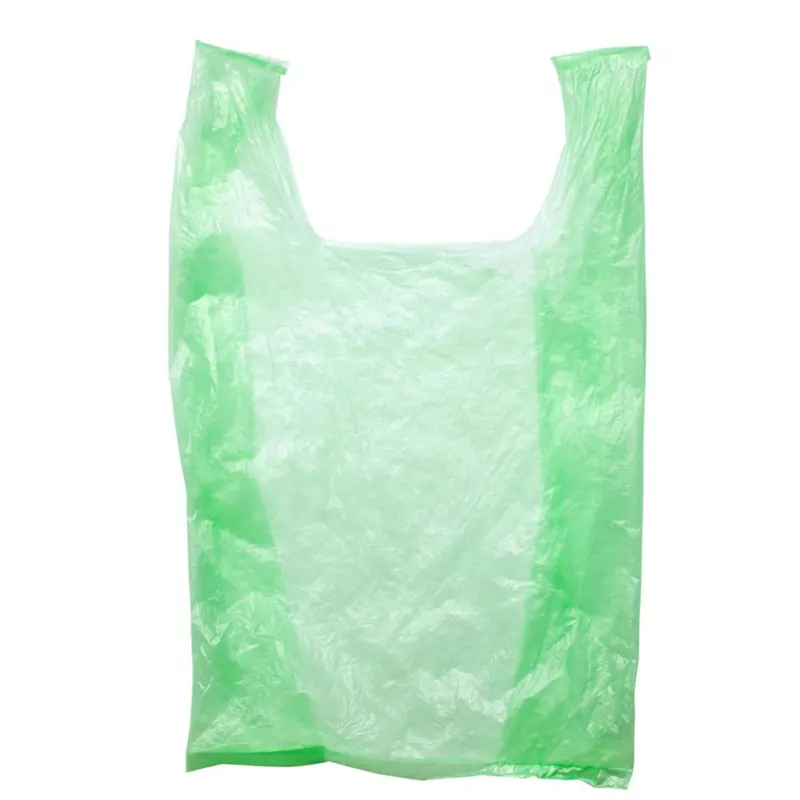
Plastic bags are made from petroleum-based materials like crude oil and natural gas. These raw materials are processed into plastic resins, which are then melted and stretched into thin plastic films. These films are shaped into bags using machines in factories. Unlike paper, plastic is synthetic, meaning it does not come from natural sources and does not break down easily in nature.
Materials Used in Manufacturing of Paper and Plastic Bags
Paper Bag Materials
- Wood pulp
- Water
- Natural chemicals used in processing
- Recycled paper (in some cases)
Paper bag production mainly depends on natural resources like trees and water, which makes it more resource-based but also more environmentally aligned when managed responsibly.
Plastic Bag Materials
- Polyethylene (PE)
- Polypropylene (PP)
- Petroleum-based raw materials
Plastic bags are made using fossil fuels, which are non-renewable resources. This is one of the biggest concerns when it comes to environmental sustainability.
What are the advantages of paper bags?
- They are biodegradable and more eco-friendly
- Easy to recycle and reuse
- Give a premium and professional look
- Safer for animals and the environment
- Great for sustainable branding and eco-conscious businesses
Disadvantages of Paper Bags
- Higher production cost compared to plastic
- Not water-resistant and can get damaged easily
- May tear when carrying heavy items
- Requires more energy and water during manufacturing process
What are the advantages of plastic bags?
- They are very low cost to produce
- Extremely lightweight and easy to carry around
- Strong enough to hold relatively heavy items
- Water-resistant, so they don’t get damaged easily in rain or moisture
- Easily available almost everywhere
Disadvantages of Plastic Bags
- They are highly polluting and harmful to the environment
- Take hundreds of years to fully decompose
- Dangerous for animals and marine life if not disposed properly
- Difficult to recycle in most waste systems
- Break down into microplastics that pollute soil and water over time

Usage of Paper and Plastic Bags
Paper Bag Usage
Paper bags are commonly used in:
- Retail and clothing stores
- Gift packaging
- Bakery and food packaging
- Luxury and premium branding
- Corporate gifting
They are usually preferred in places where presentation matters and businesses want to show an eco-friendly or premium brand image.
Plastic Bag Usage
Plastic bags are commonly used in:
- Grocery stores
- Vegetable and fruit markets
- Small retail shops
- Street vendors
- Everyday household shopping
They are widely used because they are cheap, convenient, and easily available for quick and regular use.
Types of Paper Bags
- Kraft Paper Bags: Strong and durable bags made from brown kraft paper. Commonly used in grocery stores.
- White Paper Bags: Clean and premium-looking bags used for retail and gifting purposes.
- Laminated Paper Bags: Paper bags with a coating layer for extra strength and slight water resistance.
- Printed Paper Bags: Custom-designed bags with branding, logos, and marketing messages.
- Handle Paper Bags: Comes with twisted paper handles or rope handles for easy carrying.
How Are Paper Bags Better Than Plastic Bags?
Paper bags are often seen as a more sustainable alternative to plastic bags. Even though both are used for carrying and packaging goods, their impact on the environment and everyday usability is quite different. Here’s why paper bags are generally considered better than plastic bags.
1. Paper Bags Are Biodegradable
One of the biggest advantages of paper bags is that they are biodegradable. This means they naturally break down in the environment within a relatively short time.
Unlike plastic bags, which can stay unchanged for hundreds of years, paper bags decompose and return to the soil without leaving harmful waste behind.
2. They Cause Less Environmental Pollution
Paper bags create much less long-term pollution. Once discarded, they don’t remain in landfills or oceans for decades.
Plastic bags, on the other hand, are a major environmental concern. They often end up in water bodies and landfills, causing long-lasting damage to nature and ecosystems.
3. Safer for Animals and Marine Life
Plastic bags can be very dangerous for animals, especially marine life. Many animals mistake them for food, which can lead to choking or serious internal injuries.
Paper bags are made from natural materials, so they are far less harmful if they end up in the environment.
4. Made from Renewable Resources
Paper bags are made from wood pulp, which comes from trees. Since trees can be replanted, paper is considered a renewable resource.
Plastic bags are made from petroleum-based materials like crude oil, which are non-renewable and will eventually run out.
5. Better for Branding and Presentation
Paper bags naturally look more premium and eco-friendly. Because of this, they are widely used by retail brands, boutiques, and gift packaging businesses.
Plastic bags are usually seen as basic packaging and don’t add much value when it comes to brand presentation.
6. Easier to Recycle
Paper bags are generally easier to recycle in most waste management systems and can be reused in paper production with less processing.
Plastic bags, however, are harder to recycle properly and often end up as waste, adding to environmental pollution.
Production Process Comparison o Paper Bags vs Plastic Bags
| Paper Bag Manufacturing Process | Plastic Bag Manufacturing Process |
|---|---|
| Trees are cut and converted into wood pulp | Crude oil is refined |
| Pulp is cleaned and processed | Plastic resins are created |
| Paper sheets are formed | Resins are melted into thin films |
| Sheets are cut into required shapes | Films are cut into shapes |
| Folding and gluing is done | Bags are sealed and finished |
| Handles are attached | - |
| Printing and finishing are completed | - |
| This process uses more water and energy but results in biodegradable products. | This process is faster and cheaper but environmentally harmful. |
Environmental Impact of Paper and Plastic Bags
Paper Bags Impact
Paper bags are biodegradable, which means they break down naturally in a short time. They do not remain in the environment for long. However, paper production requires cutting trees, high water usage, and energy consumption. This can lead to deforestation if not managed properly.
Plastic Bags Impact
Plastic bags are one of the biggest environmental concerns today. They:
- Do not decompose easily
- Stay in the environment for hundreds of years
- Pollute oceans and land
- Harm animals that accidentally ingest them
- Break into microplastics that enter the food chain
Key Insight:
Plastic bags are more harmful in long-term environmental impact compared to paper bags.
Cost of Paper vs Plastic Bags
Plastic Bags Cost
Plastic bags are very cheap to produce. This is why they are widely used in small shops and markets.
Paper Bags Cost
Paper bags are more expensive due to:
- Raw material cost
- Higher energy consumption
- Printing and finishing costs
Plastic bags are cost-effective, but paper bags are more sustainable.
Consumer Preferences and Market Trends
Consumer behavior is changing rapidly:
- Customers prefer eco-friendly packaging
- Brands are switching to paper packaging
- Government regulations are limiting plastic use
- Eco-conscious shopping is increasing
- Businesses are using packaging as branding tools
Today, packaging is not just functional—it also represents brand values.
Paper Bags vs Plastic Bags – Sustainability Comparison
When comparing Paper Bags vs Plastic Bags, both have strengths and weaknesses.
| Factor | Paper Bags | Plastic Bags |
|---|---|---|
| Environment | Eco-friendly | Highly polluting |
| Cost | Expensive | Cheap |
| Durability | Medium | High |
| Decomposition | Fast | Very slow |
| Branding | Excellent | Limited |
Paper bags are more sustainable in the long run, while plastic bags are more economical in the short term.
Paper Bags vs Plastic Bags – How Quapri Helps with Custom Printing
Sustainability is not only about choosing the right material, but also about how brands present it. This is where Quapri plays an important role.
Quapri helps businesses create high-quality custom printed paper bags that support both branding and sustainability.
How Quapri Adds Value
- Custom printed eco-friendly paper bags
- Branding with logos and designs
- High-quality printing for premium look
- Suitable for retail, gifting, and corporate use
- Supports sustainable packaging shift
With Quapri, businesses can replace plastic packaging with stylish paper bags that also act as marketing tools.
If your business is ready to switch to sustainable packaging, it’s time to move towards custom printed paper bags. Make your brand eco-friendly, professional, and impactful with smarter packaging choices. Explore Quapri’s paper bags and strengthen your brand image today. For more products visit our catalogue
Start building a greener future today with better packaging decisions.

Custom Brown Paper Bags
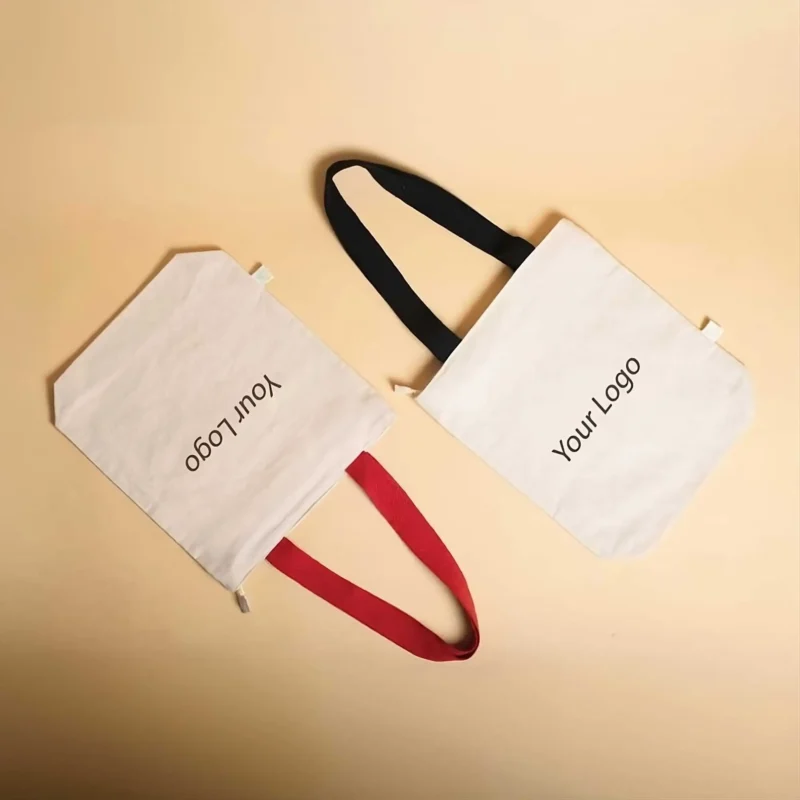
Custom Canvas Tote Bags

Custom Jute Bags
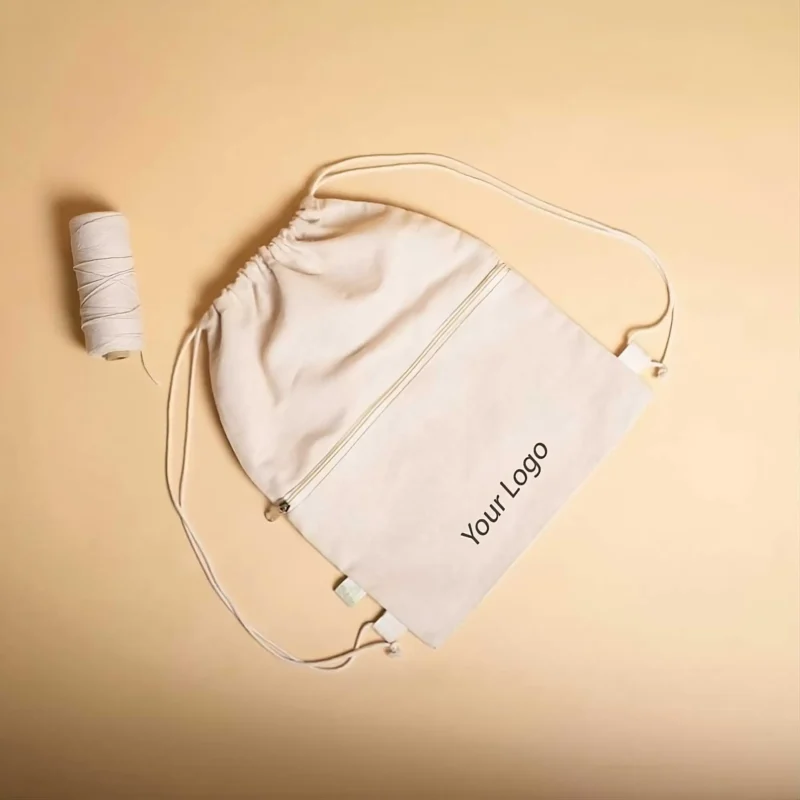
Customizable Cotton Drawstring Bags
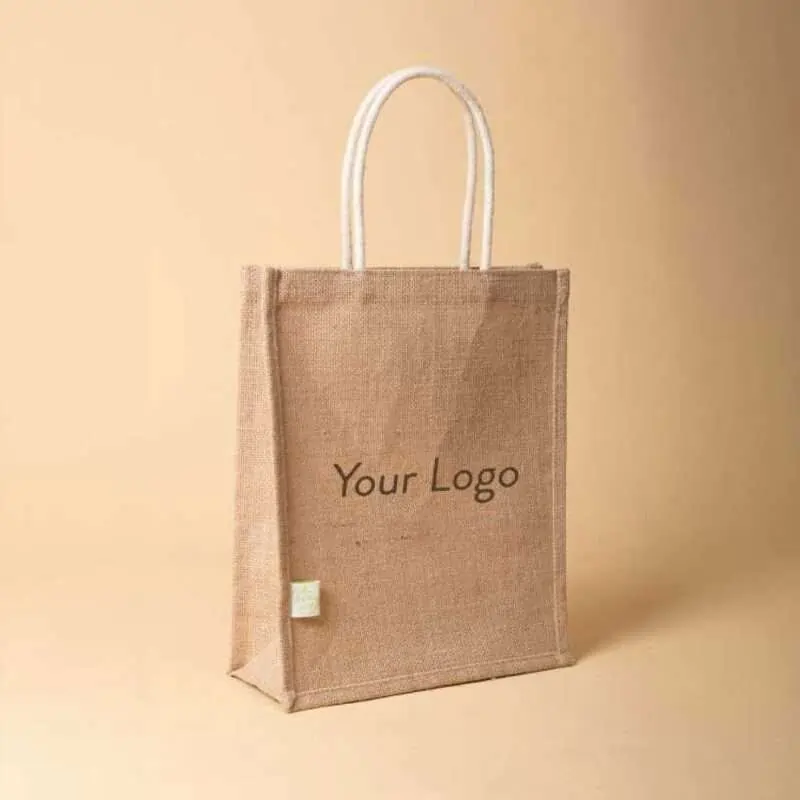
Eco-Friendly Jute Bags
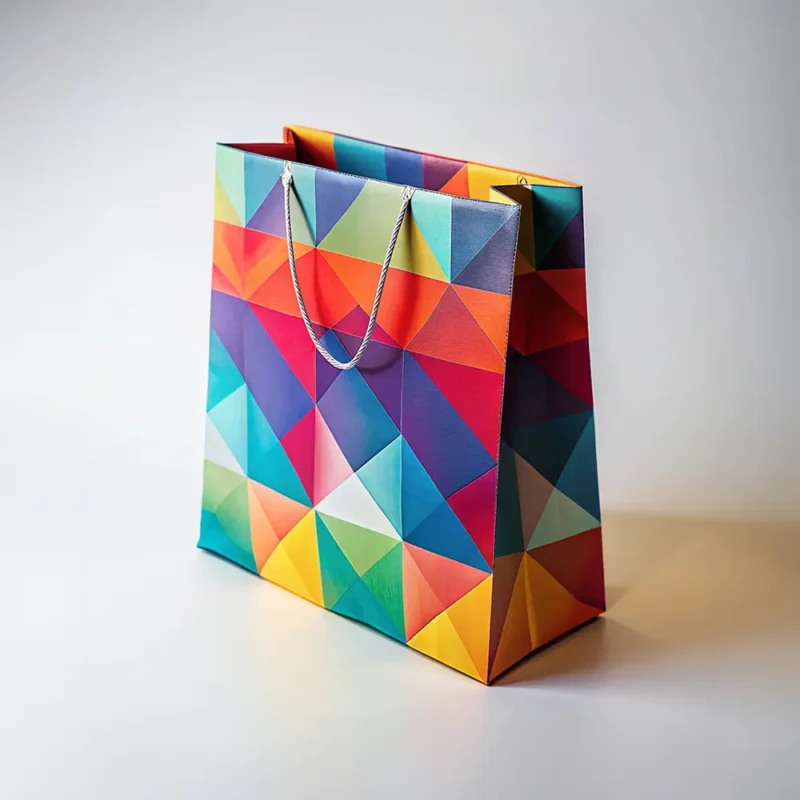
Gift Paper Bags

Jute Bag with Zip

Printed Cotton Tote Bags
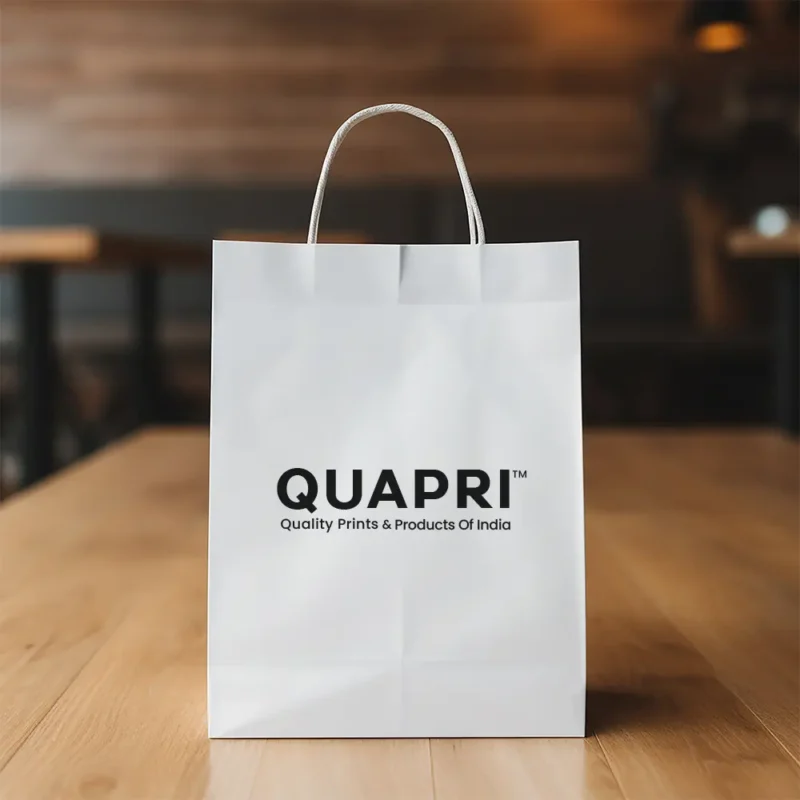
Printed Paper Bags