Types of Business Cards : The Ultimate Guide for Every Profession

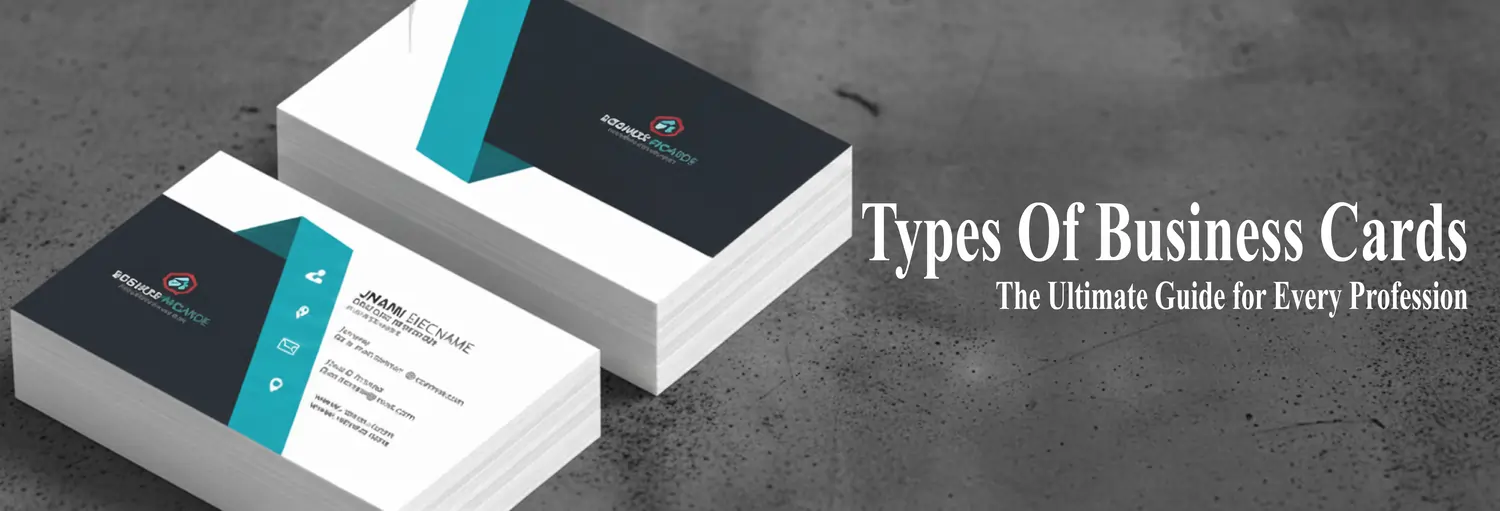
Stacks of professional types of business cards banner: The Ultimate Guide for Every Profession on a grey background.

Even in a digital-first world, business cards still matter. They’re simple, personal, and one of the easiest ways to make a strong first impression. Whether you’re a startup founder, a corporate professional, or a small business owner, the business card you choose says a lot about your brand. In this guide, we’ll take you through the different types of business cards—from materials and finishes to shapes and uses—so you can easily find the one that fits your business best.

Why Choosing the Right Types of Business Cards Matters

A business card is more than just a way to share contact details—it’s a small but powerful reflection of your brand. From the paper and finish to the overall design, the type of business card you choose instantly communicates your professionalism, style, and attention to detail. In just a few seconds, it can signal trust, creativity, simplicity, or even a premium brand image.

When you choose the right types business cards, it helps you:

  • Make a strong first impression
  • Stay memorable in someone’s mind
  • Build credibility and trust
  • Support networking and business conversations

Classification of Business Cards

Types of Business cards can be broadly classified into the following categories:

  1. Based on paper  material
  2. Based on finish and lamination
  3. Based on printing techniques
  4. Based on shape and orientation
  5. Based on Special Effects

Let’s explore each type in detail.

Types of Business Cards Based on Paper Material

1. Standard Paper Business Cards

Standard Paper Business Cards are the most commonly used and cost-effective option for everyday professional needs. Printed on basic cardstock, they are lightweight, easy to carry and simple to distribute in bulk. These cards are ideal for startups, sales executives, and small businesses, offering a practical solution for sharing contact information while supporting straightforward, uncomplicated designs.

2. Premium Paper Business Cards

Premium Paper Business Cards are made from thicker, high-quality cardstock, providing a more substantial feel and professional look. They offer improved durability and better color reproduction, making them suitable for corporate professionals, consultants, and service-oriented businesses. These cards help convey a sense of reliability and attention to detail.

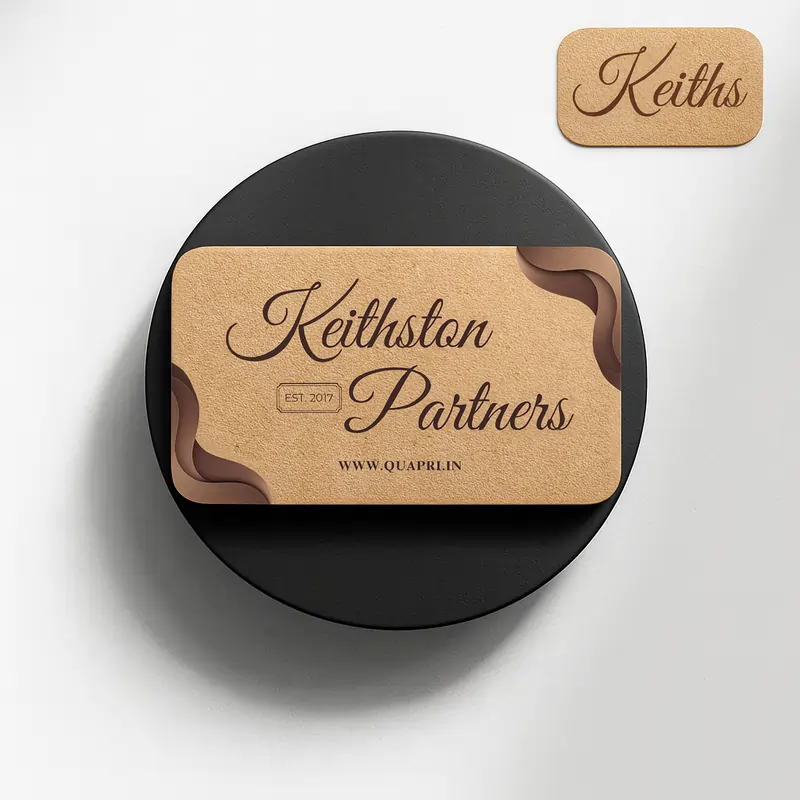
3. Textured Business Cards

Textured Business Cards feature unique surface patterns such as linen, laid, or felt finishes, giving the card a distinct tactile quality. Often used by creative professionals and luxury brands, textured cards provide a memorable experience, enhancing brand personality while making a lasting impression on recipients.

Types of Business Cards Based on Finish

4. Matte Visiting Cards & Matt Laminated Business Cards

These visiting cards provide a smooth, non-reflective finish that looks subtle and professional. Matte laminated cards are resistant to fingerprints and glare, making them ideal for clean, minimalist designs that focus on readability and elegance.

5. Gloss Finish Business Cards & Glossy Laminated Visiting Cards

Glossy business cards have a shiny surface that enhances colors and images, making designs appear vibrant and eye-catching. Glossy laminated cards also offer added protection, making them suitable for marketing professionals and visually rich branding.

6. Spot UV Business Cards

Spot UV Business Cards combine a matte background with glossy accents on selected areas such as logos, names, or key design elements. This contrast creates a visually striking effect, adding depth and sophistication to the card while highlighting the most important information.

7. Velvet Touch Visiting Cards

Velvet touch visiting cards feature a soft, smooth coating that feels luxurious to the touch. This finish enhances tactile appeal and is often used by premium brands aiming to create a refined and memorable impression.

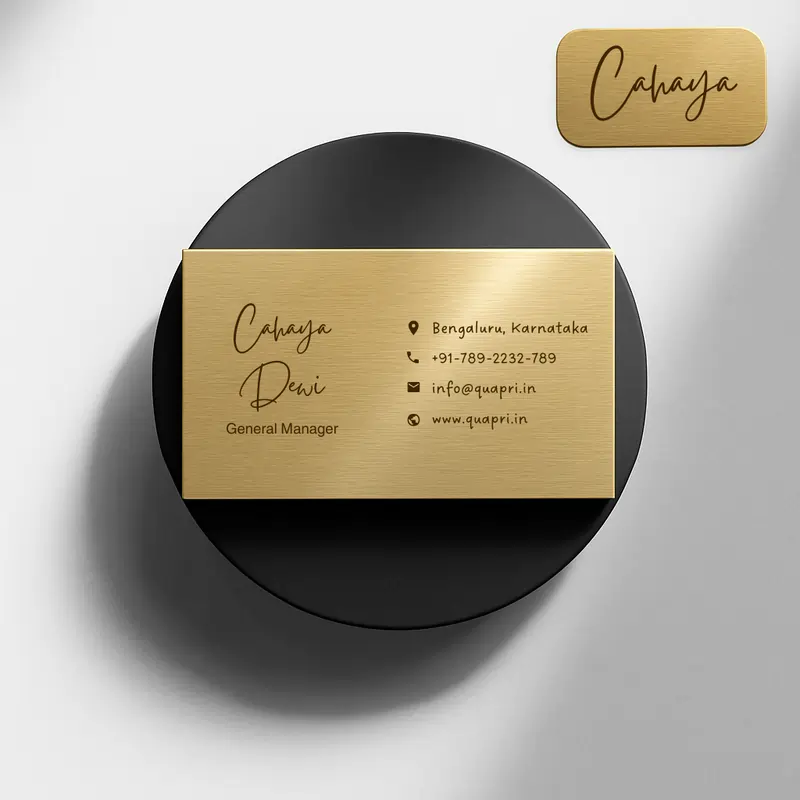
8. Metallic Business Cards

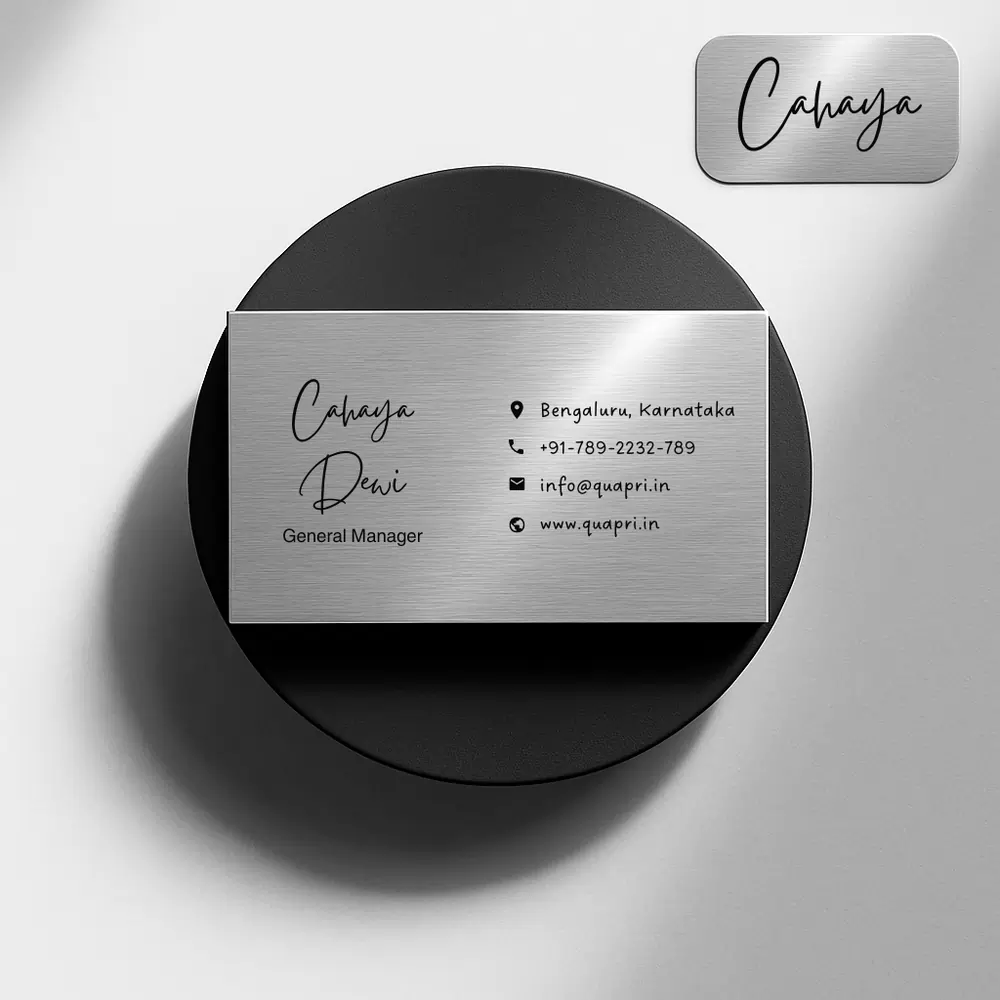
Metallic business cards use metallic inks or foil elements to create a reflective, premium appearance. Often chosen by luxury brands and high-end professionals, these cards add visual impact and convey exclusivity and sophistication.

9. Non-Tearable Visiting Cards

Non-tearable visiting cards are the types of business cards made from durable synthetic materials that resist tearing, water, and wear. These cards are long-lasting and practical, making them suitable for professionals who require durable cards for frequent handling.

10. Eco-Friendly Business Cards

Eco-friendly business cards are produced using recycled or sustainable materials. They help reduce environmental impact and are commonly used by environmentally conscious businesses looking to reflect sustainability and responsibility through their branding.

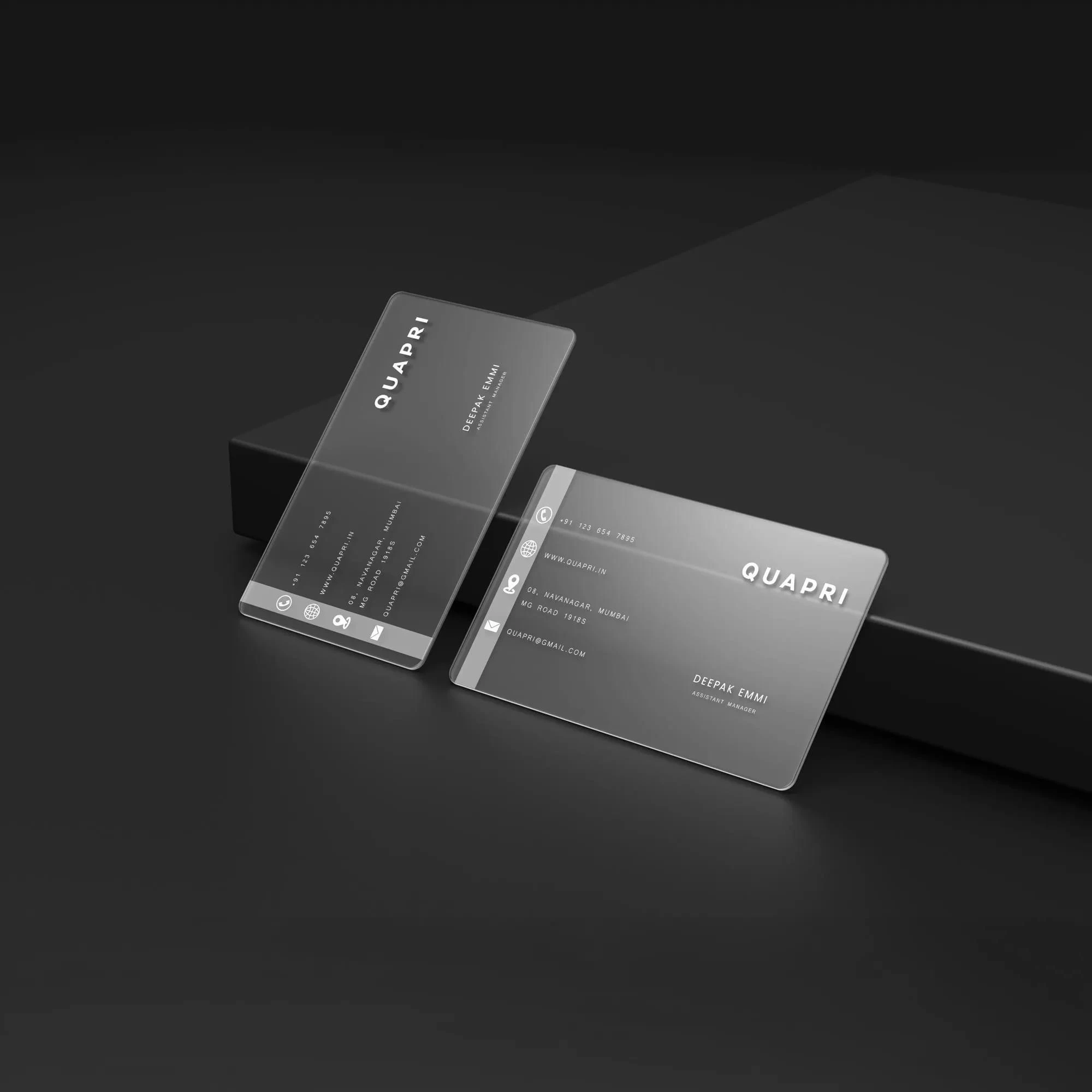
11. Transparent Visiting Cards

Transparent visiting cards are made from clear plastic materials, offering a modern and unconventional look. They are often used by innovative or creative brands looking to stand out with a sleek and contemporary design.

Types of Business Cards Based on Shape & Size

12. Standard Rectangle Business Cards

Standard Rectangle Business Cards are the classic and most widely accepted format. They fit easily into wallets and cardholders, making them practical for everyday use. This shape is suitable for all industries and provides a professional and familiar appearance.

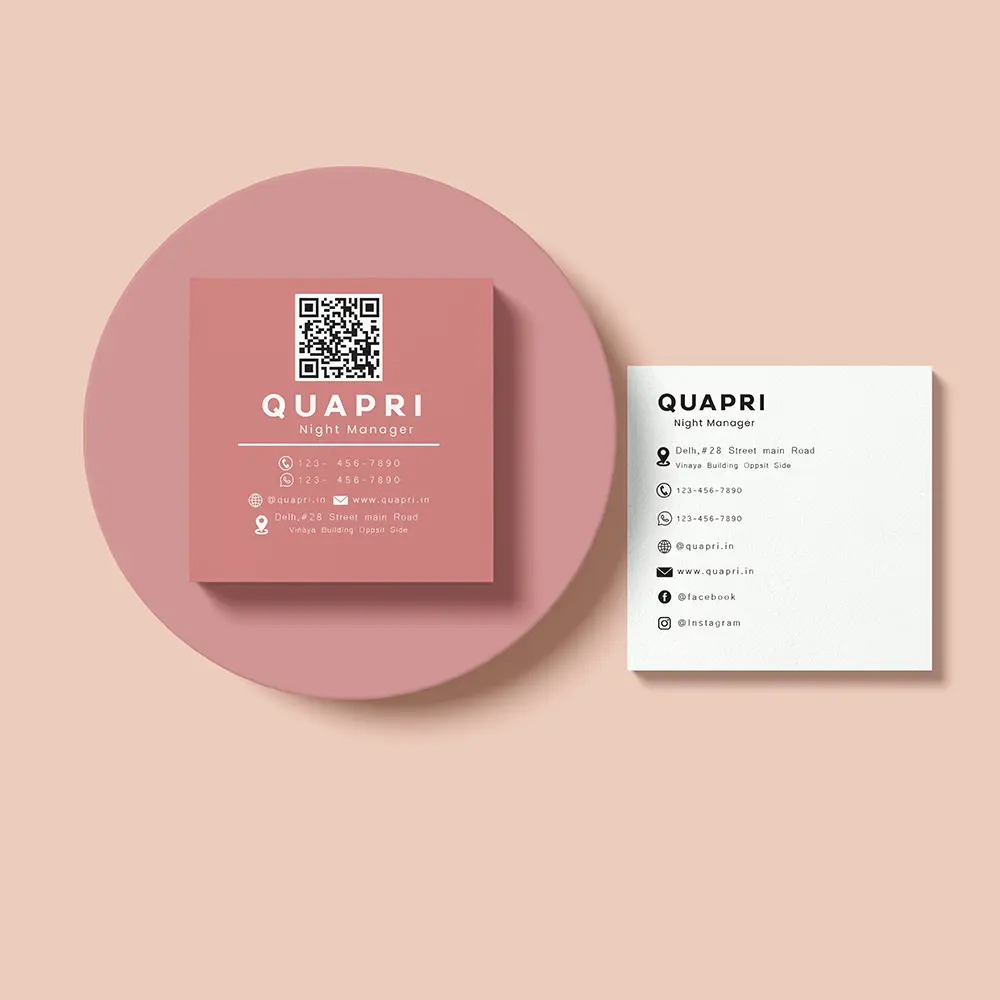
13. Square Business Cards

Square Business Cards break away from the traditional rectangular shape, offering a modern and distinctive look. Often used by creative agencies and boutique brands, square cards stand out visually, helping brands make a memorable impression.

14. Rounded Corner Business Cards

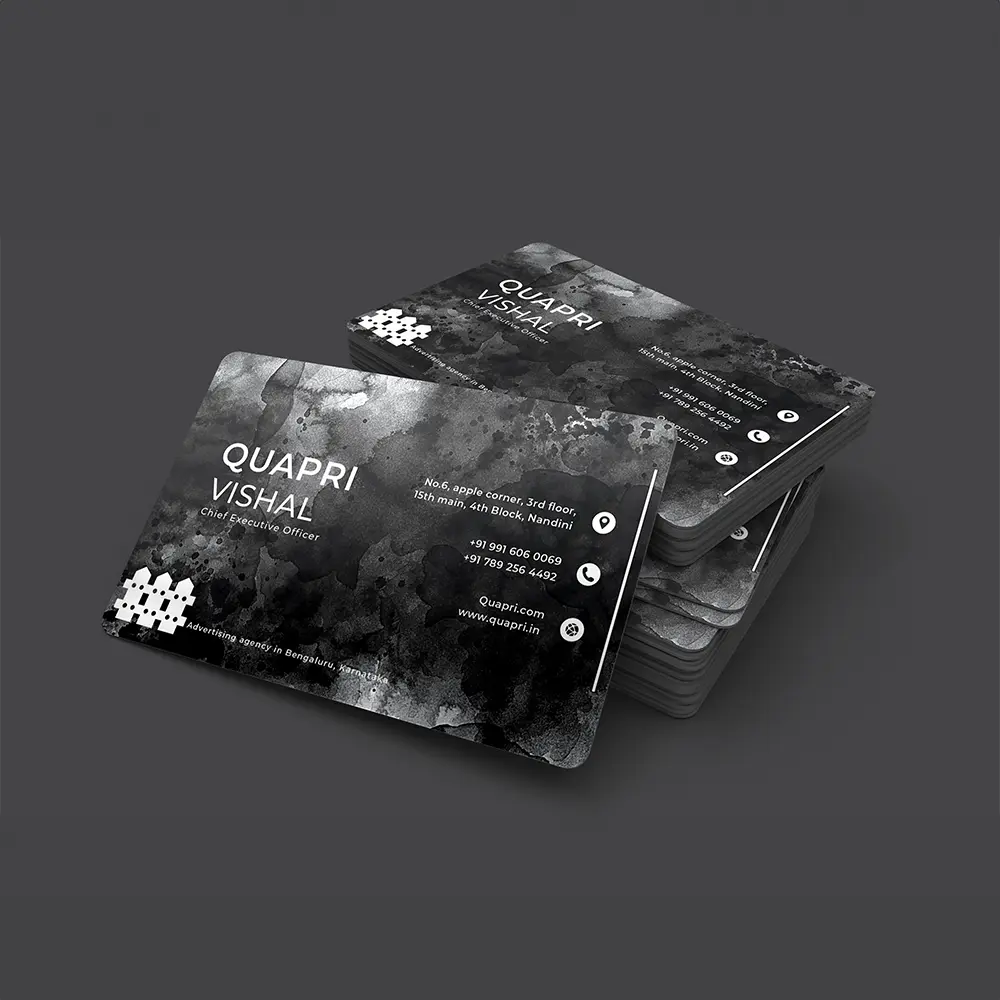
Rounded Corner Business Cards feature smooth, curved edges instead of sharp corners, giving them a softer, contemporary appearance. They are often used by startups and lifestyle brands, providing a stylish and durable alternative to standard cards.

15. Die-Cut Business Cards

Die-Cut Business Cards are custom-shaped cards designed to match logos or brand elements. These cards are highly unique and creative, often used by innovative and design-focused businesses to make a strong visual impression and increase brand recall.

16. Mini Business Cards

Mini business cards are smaller than standard cards, making them compact and easy to carry. They are often used for casual networking or creative branding where simplicity and portability are prioritized.

17. Folded Business Cards

Folded business cards provide additional space for information, allowing businesses to include services, taglines, or creative layouts. They are ideal for brands that need more room without increasing card size.

18. Circle Visiting Cards

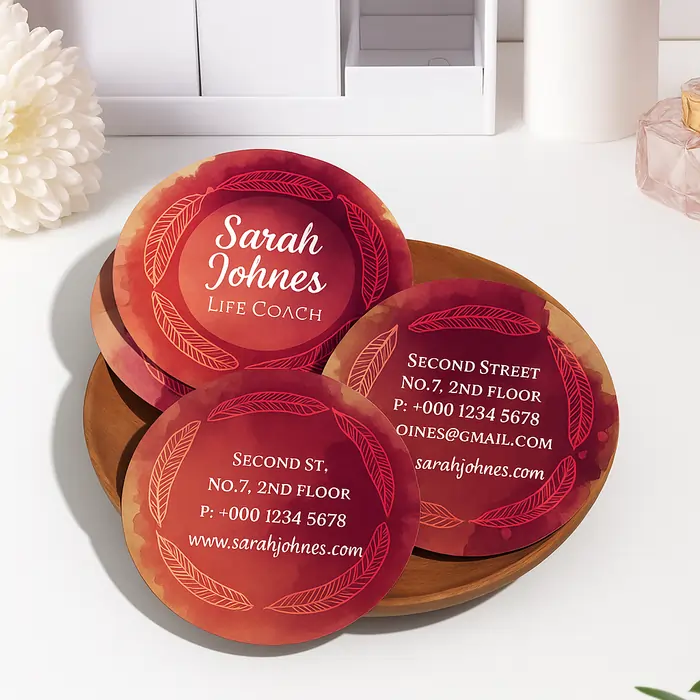
Circle Visiting Cards are one of the types of business cards feature a distinctive round shape that instantly stands out from traditional formats. They are often used by creative professionals and modern brands to make a memorable impression while showcasing a unique, contemporary approach to professional networking.

Types of Business Cards Based on Printing Style

19. Single-Sided Business Card

Single-Sided Business Cards display all the essential information on one side, offering a simple and minimalistic approach. They are easy to read, cost-effective, and ideal for professionals or businesses that prefer a straightforward presentation.

20. Double-Sided Business Card

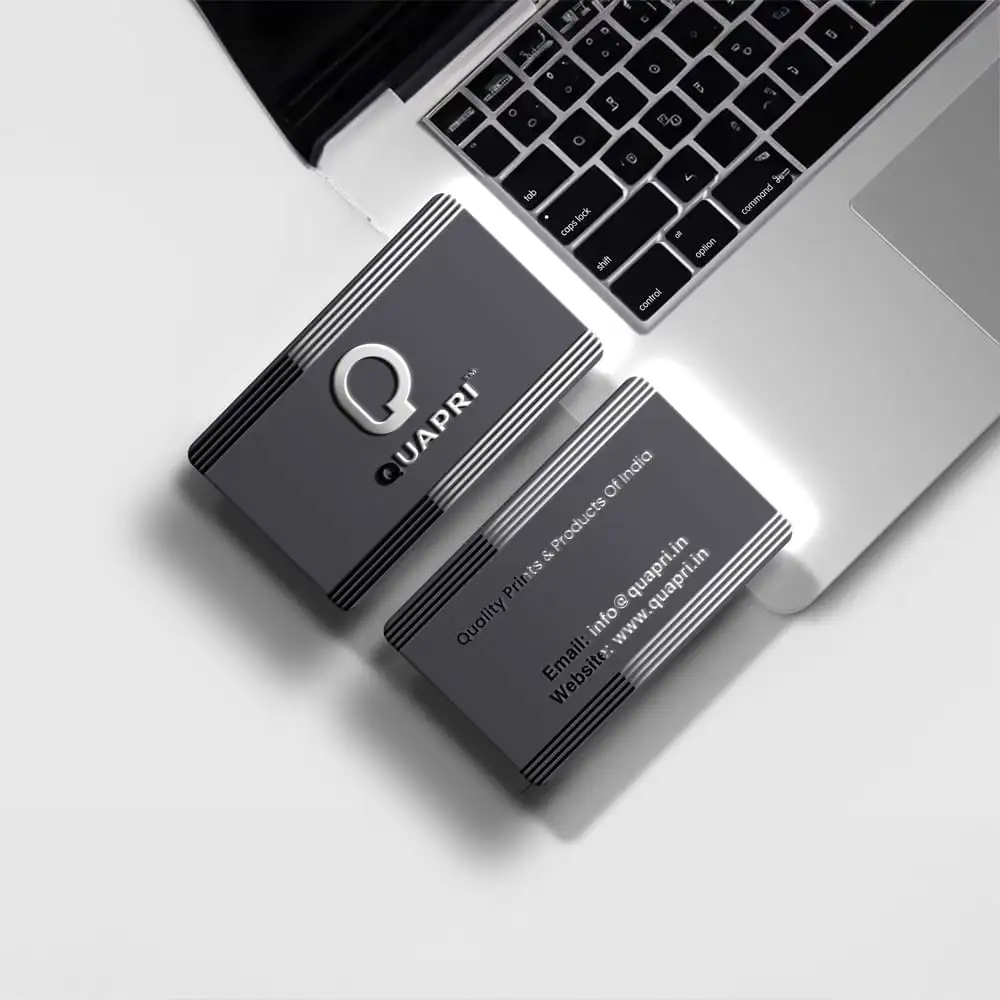
Double-Sided Business Cards utilize both sides of the card, allowing more space for branding, contact details, or additional information. This type is suitable for businesses that want to provide a comprehensive overview without cluttering a single side.

Types of Business Cards Based on Special Effects

21. Foil Stamped Visiting Cards

Foil Stamped Business Cards use metallic foils, such as gold or silver, to highlight text or logos. This technique adds a premium and elegant touch, making them popular among luxury brands and professionals seeking a sophisticated look.

22. Physical Business Cards

Physical Business Cards are tangible cards that are exchanged in person. They provide a strong personal connection, are easy to carry, and remain widely accepted across professional and business settings, making them an essential tool for networking and brand presence.

23. Digital Business Cards

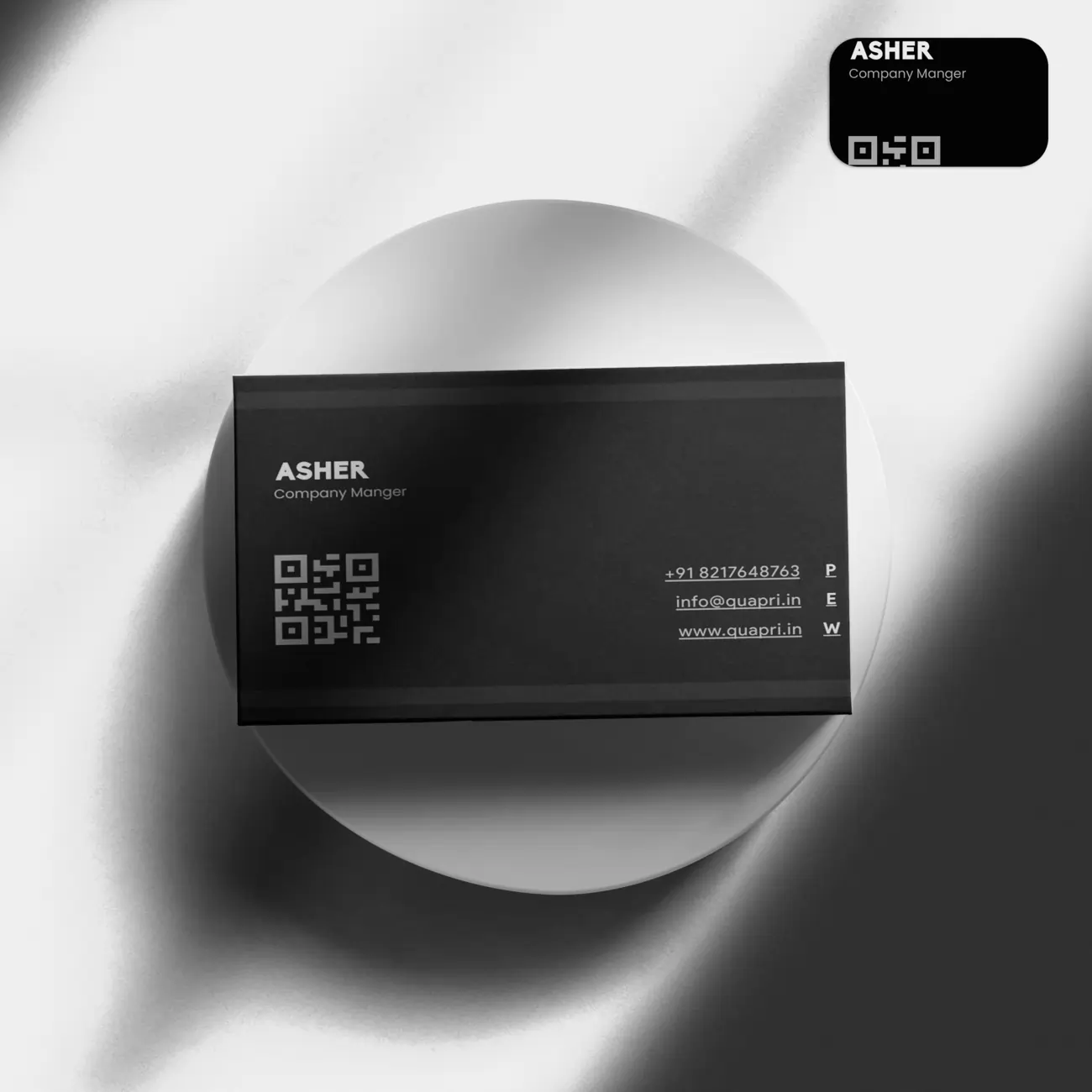
Digital Business Cards are shared electronically using QR codes, links, or mobile apps. They are paperless, easy to update, and eco-friendly. While they lack a physical presence, digital cards are ideal for remote networking and tech-savvy professionals.

How to Choose the Right Types of Business Cards?

With so many types of business cards, selecting the right one depends on your industry, brand personality, and purpose. Consider factors such as material, finish, shape, and special features when choosing a card that reflects your professional identity.

  • Startups and small businesses often prefer standard, matte, or eco-friendly cards.
  • Creative or design-focused brands might choose die-cut, textured, or velvet touch cards.
  • Professionals looking for a premium impression may select metallic, raised foil or laminated premium cards.
  • For modern, tech-friendly solutions, QR code or transparent cards can be highly effective.

How to Design Custom Visiting Cards?

Designing a custom types of business cards becomes simple when you follow a structured approach. These steps will help you create a card that looks professional and represents your brand clearly.

1. Decide What Information to Include: Start with the essentials such as your name, designation, company name, phone number, email address, and website. Avoid overcrowding the card—keeping it clean makes it easier to read and more effective.

2. Choose a Layout That Matches Your Brand: Pick a layout that aligns with your brand’s personality. Whether minimal or creative, ensure proper spacing and alignment so the card looks balanced and organized.

3. Select Readable Fonts and Brand Colors: Use fonts that are easy to read and match your brand style. Stick to your brand colors to maintain consistency and create a professional appearance.

4. Pick the Right Paper and Finish: Choose a paper type and finish that suits your purpose. Matte finishes give a subtle look, glossy finishes add vibrancy, and textured or premium finishes enhance visual appeal.

5. Add Special Effects Thoughtfully: If needed, include features like spot UV, foil stamping, or embossing to highlight your logo or name. Use these elements sparingly to avoid a cluttered look.

6. Decide on the Size and Shape: Standard rectangular cards are practical, while square, rounded-corner, or custom-shaped cards can help your brand stand out when used appropriately.

7. Review Before Printing: Double-check spelling, alignment, and color accuracy. A final review ensures your visiting card looks polished and professional when printed.

Choose Quapri for Visiting Card Printing That Helps You Connect Better

A custom business card is not just a piece of printed paper—it is a powerful branding asset. From standard and minimalist cards to premium, textured, and eco-friendly options, every business card type serves a unique purpose.

Choosing the right combination of paper, finish, and design ensures your business leaves a strong, professional, and memorable impression.

Invest in right types business cards that truly represent your brand values and help you stand out in every professional interaction.

For businesses looking for high-quality, customizable and affordable business card printing, Quapri offers a wide range of options designed to match every brand and budget. For more printing options, have a look here.