



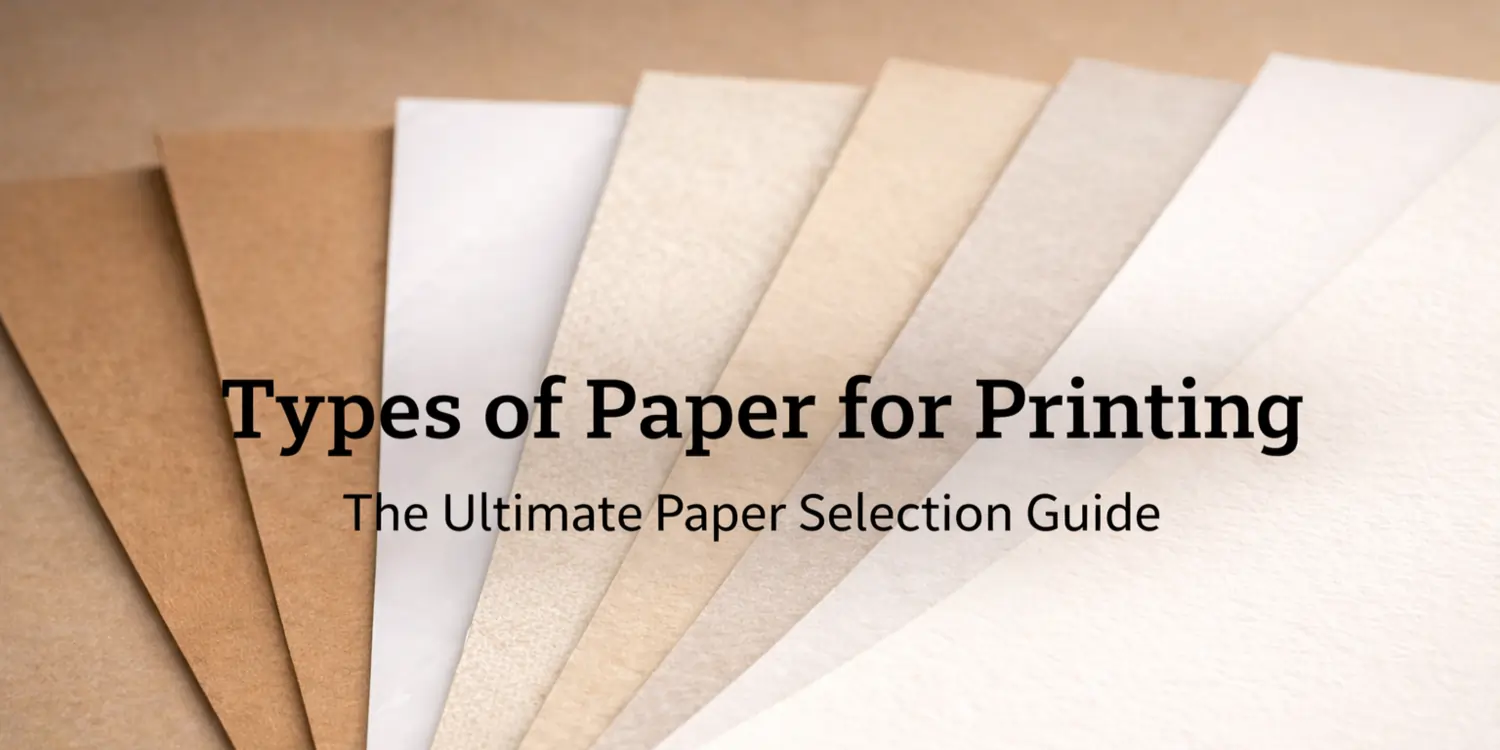
Types of Paper for Printing: The Ultimate Paper Selection Guide
Types of Paper for Printing: The Ultimate Paper Selection Guide When we talk about printing, most people think about design,

When we talk about printing, most people think about design, colors or fonts. But there’s one thing that quietly makes a big difference — paper. The same design can look ordinary on one paper and premium on another. That’s why understanding the types of paper for printing is important, even if you are not a designer or printing expert.
If you’ve ever been confused by terms like coated, uncoated, cardstock, Kraft, textured or bond paper or wondered what GSM really means, this guide will make it simple. By the end, you’ll confidently know which type of paper for printing is ideal for your project.
Why Paper Choice Is So Important?
Paper is not just something ink sits on. It plays an active role in printing. Thin paper can bend easily and feel cheap, while thick paper feels strong and professional. Shiny paper can make images pop, but it may reflect too much light. Soft paper feels natural but shows colors differently.
Choosing the right paper helps:
- Improve print quality
- Make text easier to read
- Increase durability
- Create the right first impression
Once you understand the basics of types of paper for printing, choosing paper becomes much easier.
What Is GSM and Why It Matters?
GSM stands for Grams per Square Meter. It’s a standard measurement used to describe the weight and thickness of paper. Think of it as how heavy or dense the paper feels when you hold it in your hand.
- Higher GSM = thicker and sturdier paper
- Lower GSM = thinner and lighter paper
Understanding GSM is important because it affects:
- Durability: Thicker paper lasts longer and feels premium.
- Print quality: Heavier paper holds ink better and prevents bleeding.
- Purpose: Some materials, like business cards, need thick paper; others, like newspapers, need thin paper.
Common GSM Ranges and Their Uses
1. 40–60 GSM – Very Light Paper
This is the thinnest type of paper. It’s flexible and easy to fold, but not very strong.
Used for: Newspapers, very light flyers, everyday office printing.
2. 70–90 GSM – Light Paper
This is a standard paper weight for offices and schools. It feels slightly thicker than the very light paper but is still easy to handle.
Used for: Printer paper, photocopy sheets, notebooks, basic documents.
3. 90–120 GSM – Medium Paper
Paper in this range is thicker and more noticeable in hand. It is sturdy enough for most day-to-day printing needs.
Used for: Letterheads, regular notebooks, flyers, brochures.
4. 130–170 GSM – Medium-Heavy Paper
This paper feels solid but is still foldable. It gives printed materials a more professional look.
Used for: Quality flyers, brochures, posters, marketing materials.
5. 200–250 GSM – Thick Paper
Paper in this range is strong and firm. It’s usually called cardstock.
Used for: Business cards, invitations, certificates, premium brochures.
6. 300 GSM and Above – Very Thick Paper
This is very thick, almost like light cardboard. It’s used when you want a strong, premium feel.
Used for: Luxury business cards, notebook or catalog covers, packaging materials.
Why GSM Matters in Printing?
- Ink absorption: Thinner paper may let ink bleed, while thicker paper holds ink better.
- Folding and handling: Thinner paper folds easily, while thicker paper may need careful handling.
- Appearance and feel: People often associate heavier paper with high quality.
- Purpose: Different printed materials need different paper weights to look and feel right.
Different Types of Paper for Printing
When it comes to printing, choosing the right paper can completely change how your project looks and feels. Every paper type has its own characteristics, texture, and thickness, which affect the final print. Here are six essential types of paper for printing, including their uses and GSM ranges.
1. Coated Paper
Coated paper has a smooth, treated surface that prevents ink from soaking in. This allows colors and images to appear sharp, vibrant, and more defined.
There are two main finishes of coated paper:
- Glossy: Has a shiny surface that makes photos and graphics pop.
- Matte: Smooth but non-reflective, offering a professional, elegant look without glare.
Common Uses: Brochures, flyers, posters and product catalogs.
Why It’s Useful: Coated paper is ideal when your print design relies heavily on images or graphics. Glossy finishes make colors bright and eye-catching, while matte finishes give a sophisticated, subtle appeal.

2. Uncoated Paper
Uncoated paper has no surface treatment, giving it a natural feel and texture. Ink is absorbed into the paper, producing softer colors and it’s easy to write on.
Common Uses: Letterheads, envelopes, books, notebooks and general office stationery.
Why It’s Useful: This paper works best for formal documents, reports, and notebooks where readability and the ability to write by hand are important. Its texture and matte surface give a professional yet approachable look.
3. Cardstock Paper
Cardstock is thick, rigid and sturdy, making it perfect for materials that need a premium feel and durability.
Common Uses: Visiting cards, invitation cards, certificates, and desk or tent cards.
Why It’s Useful: Cardstock is ideal for prints that are frequently handled or meant to leave a strong impression. Its thickness gives a sense of quality and importance, making it suitable for professional or special-occasion prints.
4. Kraft Paper
Kraft paper is brown, strong, and eco-friendly, with a rustic, natural texture. It has a raw, authentic look that stands out in creative or sustainable projects.
Common Uses: Paper bags, tags and labels, eco-friendly brochures, and packaging.
Why It’s Useful: Kraft paper is perfect for projects that emphasize sustainability or a natural, earthy aesthetic. Its texture adds character and works well for branding or packaging materials where an eco-conscious impression is desired.


5. Textured Paper
Textured paper has visible patterns like linen, laid or hammered finishes. These patterns create a tactile experience, giving the print a premium and unique feel.
Common Uses: Wedding invitations, certificates, premium stationery and corporate branding materials.
Why It’s Useful: When both appearance and touch matter, textured paper adds elegance and personality. It’s a great choice for projects where the first impression needs to feel luxurious and memorable.
6. Bond Paper
Bond paper is a strong, uncoated paper with a smooth surface. It’s widely used in professional and office printing because it’s reliable, versatile, and cost-effective.
Common Uses: Letterheads, legal documents, office stationery, and reports.
Why It’s Useful: Bond paper is a dependable choice for everyday office printing. Its smooth finish ensures clarity for text and images, making it suitable for documents that need to look professional without extra cost.


How to Choose the Right Paper for Printing?
Choosing the right paper isn’t just about picking what’s available. The types of paper for printing you choose directly affect how your final product looks, feels, and lasts. Here’s a simple way to make the right choice:
Consider the Purpose of Your Print:
Every print serves a purpose—promotion, information, or branding. Selecting the right paper based on how it will be used helps your message look appropriate and feel right to the reader.Think About Durability:
Some prints are handled often, while others are used only once. Choosing the right GSM and paper type ensures your print lasts as long as it needs to, without unnecessary cost.Decide on Finish: Glossy, Matte, or Natural:
The finish changes how your print looks and reads. Glossy attracts attention, matte feels professional, and natural finishes offer a clean, classic appearance.Consider Texture:
Texture adds to the overall experience of your print. Smooth paper feels formal and neat, while textured or Kraft paper adds personality and a premium or eco-friendly touch.Factor in Sustainability:
Eco-friendly paper choices reflect responsible branding. Using Kraft, recycled, or certified paper can leave a positive impression on environmentally conscious customers.Balance Cost and Quality:
The right paper balances budget and appearance. Lighter paper works well for bulk printing, while premium paper is better for important or long-lasting materials.Match Paper Type to Printing Method:
Different papers work better with different printing techniques. Choosing the right combination ensures sharper prints, better ink quality, and fewer printing issues.
Ready to Print with the Perfect Paper?
At Quapri, we help businesses and individuals choose the right type of paper and GSM for every printing need — from visiting cards, brochures and notebooks to corporate stationery and eco-friendly materials. Our team ensures your prints look professional, last long and create the perfect impression. Knowing the types of paper for printing helps you make better decisions and achieve better print results. The right paper improves appearance, durability and overall quality. GSM plays a key role in ensuring the paper feels suitable for its purpose.
Good printing is not just about design. It always starts with the right paper.
Explore Quapri’s printing solutions and bring your ideas to life with the perfect paper choice.