




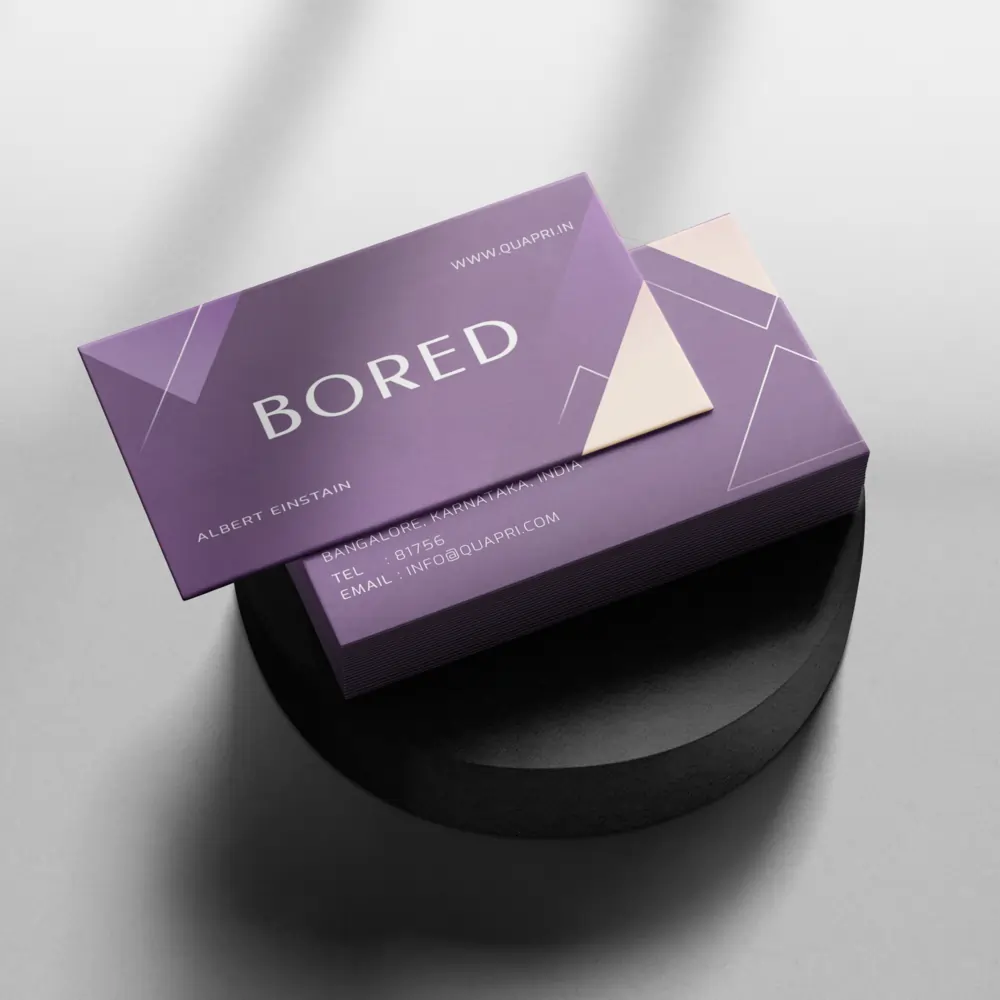
Why Your Business Card Still Matters in a Digital World
Why Your Business Card Still Matters in a Digital World In a world dominated by LinkedIn requests, QR codes, and
In a world dominated by LinkedIn requests, QR codes, and instant messaging, many people assume traditional networking tools are fading away. But the truth is quite the opposite. Understanding Why Your Business Card Still Matters is essential for professionals and businesses who want to leave a lasting impression. Despite digital transformation, business cards continue to play a powerful role in branding, trust-building, and face-to-face networking that no screen can fully replace.

Why are Business Cards are Still Important?
Business cards are still important because they create a personal and professional connection during networking. Unlike digital contacts that can be forgotten easily, a physical business card stays visible and memorable. It helps build credibility, reflects your brand identity, and makes sharing contact information quick and convenient during meetings, events, conferences, and business interactions.
Key reasons they still matter:
- They create instant professional credibility
- They simplify contact sharing without technology barriers
- They enhance personal interaction during networking
- They act as a physical brand reminder after meetings
In many industries, not having a business card can even make a professional appear unprepared or less credible.
What are the benefits of having business card
Business cards are more than just contact details printed on paper. They are a compact marketing tool that communicates your brand identity, professionalism, and attention to detail.
1. Strong First Impression
A well-designed business card instantly creates a professional impression. It shows that you are serious about your work and always prepared for networking opportunities.
2. Cost-Effective Marketing Tool
Compared to digital ads or large marketing campaigns, business cards are affordable while still being highly effective for long-term brand recall.
3. Easy Networking Tool
During events, exhibitions, or business meetings, exchanging business cards feels quicker, smoother, and more natural than typing phone numbers or searching for profiles online.
4. Brand Identity Representation
Your business card represents your brand through its colors, typography, logo, and overall design style, helping people remember your business more easily.
5. Helps in Offline Visibility
Even when someone does not have internet access or cannot find your digital profile immediately, a business card keeps your contact information easily available.

Why Business Cards Still Matter in a Digital World
Digital communication has definitely made networking faster and easier, but at the same time, it has also become more crowded and overwhelming.
Every day, people receive:
- Emails
- Notifications
- Messages
- Social media requests
- Online advertisements
With so much information constantly coming in, most digital interactions are forgotten very quickly.
Business cards help solve this problem by creating a real, physical connection. A card kept on someone’s desk, wallet, or workspace stays visible for a much longer time, helping your brand remain in their mind.
Another important reason is human psychology. People usually remember physical interactions more clearly than digital ones. A simple handshake along with a business card creates a stronger and more personal impression than just connecting online.
This is exactly why your business card still matters, even in today’s digital world.
Modern Business Cards Trends
Business cards have changed a lot over the years. Today, they are more creative, interactive, and designed to match modern branding styles.
1. Minimalist Designs
Simple and clean layouts with bold typography and subtle colors are becoming more popular because they look elegant and are easier to read.
2. QR Code Integration
Many modern business cards now include QR codes that instantly direct people to websites, portfolios, social media profiles, or contact pages.
3. Eco-Friendly Materials
Brands are increasingly choosing sustainable printing options like recycled paper and kraft materials to reflect their eco-conscious values.
4. Premium Finishes
Features like embossing, foil stamping, matte finishes, and gloss effects give business cards a more premium and professional feel.
5. Vertical Layouts
Instead of the traditional horizontal style, vertical business cards are becoming a trendy and modern design choice that easily grabs attention.
6. Interactive Elements
Some businesses are adding creative touches like textured finishes, scratch areas, or even NFC chips to make their cards more engaging and memorable.
Common Mistakes to Avoid in Business Cards Design
Even a small business card can lose its impact if it’s not designed properly. Many professionals make simple mistakes that can make the card look less effective or less professional.
1. Overcrowding Information
Adding too much text can make the card look cluttered and difficult to read. Keeping the design clean always creates a better impression.
2. Poor Font Choice
Using overly decorative or hard-to-read fonts can affect clarity. Simple and professional fonts usually work best
3. Ignoring Brand Identity
Your business card should reflect your brand’s colors, style, and overall personality so people can instantly recognize your identity.
4. Low-Quality Printing
Poor paper quality or blurry printing can create a negative impression and reduce the professional feel of your card.
5. Missing Essential Details
Always make sure your card includes important information like:
- Name
- Designation
- Contact number
- Website or QR code
6. Lack of White Space
A balanced layout with enough spacing makes the card easier to read and gives it a cleaner, more professional appearance.
Want to avoid costly design errors before printing? Read our detailed guide on common visiting card mistakes to avoid to learn how better design choices can improve professionalism, branding, and customer recall.

Tips for Creating Effective Business Cards
A great business card is simple, memorable, and clearly reflects your brand identity. It doesn’t need to be crowded—it just needs to leave the right impression.
1. Keep it minimal but impactful
Stick to only the most important details. A clean design helps people quickly notice and remember your information.
2. Use high-quality materials
The feel of your card matters. Good paper quality instantly improves how people perceive your brand.
3. Add a unique element
Include something that makes your card stand out—like a special logo finish, a QR code, or a creative layout that sparks curiosity.
4. Choose readable typography
Go for fonts that are easy to read. A professional and clear type style always works better than overly decorative fonts.
5. Maintain brand consistency
Make sure your business card matches your website, packaging, and overall branding so everything feels connected.
6. Include a clear call to action
Tell people what to do next—whether it’s visiting your website, scanning a QR code, or connecting with you online.
Role of Business Cards in Modern Networking
Even in today’s world of LinkedIn profiles and digital portfolios, business cards still play a simple but powerful role in networking.
They play a crucial role in:
- Trade shows and exhibitions
- Corporate meetings
- Conferences and seminars
- Client meetings
- Freelance and startup networking
A business card often becomes that small but important first step in building a long-term professional connection. It’s not just about sharing your contact details—it’s about leaving a quick, memorable impression that makes people want to connect again later.
Future of Business Cards in Digital Age
Even though digital networking is growing fast, business cards are not going away—they’re simply evolving and becoming smarter.
The future of business cards includes:
- Smart cards with NFC technology
- Integration with digital profiles
- Eco-friendly and sustainable materials
- Personalized AI-designed layouts
- Hybrid physical-digital networking tools
Rather than replacing business cards, digital transformation is actually making them more useful. Today, they’re blending the physical and digital worlds, giving people a smoother way to connect and share information.
In the future, business cards will continue to play a key role in networking—but in a more advanced, flexible, and tech-friendly way.
How Quapri Helps Businesses Create Impactful Business Cards
Creating a business card is not just about printing—it’s about building a strong brand identity. That’s where Quapri plays an important role.
Quapri offers professionally designed and fully customizable business cards that help businesses stand out in competitive markets. From creative design options to premium printing quality, every detail is carefully crafted to reflect your brand value and professionalism.
With Quapri, businesses can:
- Choose from multiple design templates
- Customize layouts, colors, and finishes
- Add QR codes for digital integration
- Print in bulk for corporate or team use
- Ensure high-quality printing with professional finishing
Whether you are a startup, freelancer, or an established company, Quapri helps you create business cards that leave a strong and lasting impression in every interaction.
Make Every Introduction Count – Your Brand Deserves It
Your first impression often defines your next opportunity. In a world full of digital noise, a thoughtfully designed business card still speaks louder than a message request. It reflects professionalism, trust, and attention to detail in a way no digital profile can fully replicate.
If you are ready to elevate your brand identity, it’s time to create business cards that truly represent you.
Create impactful, professional, and customized business cards with Quapri today and make every introduction unforgettable.
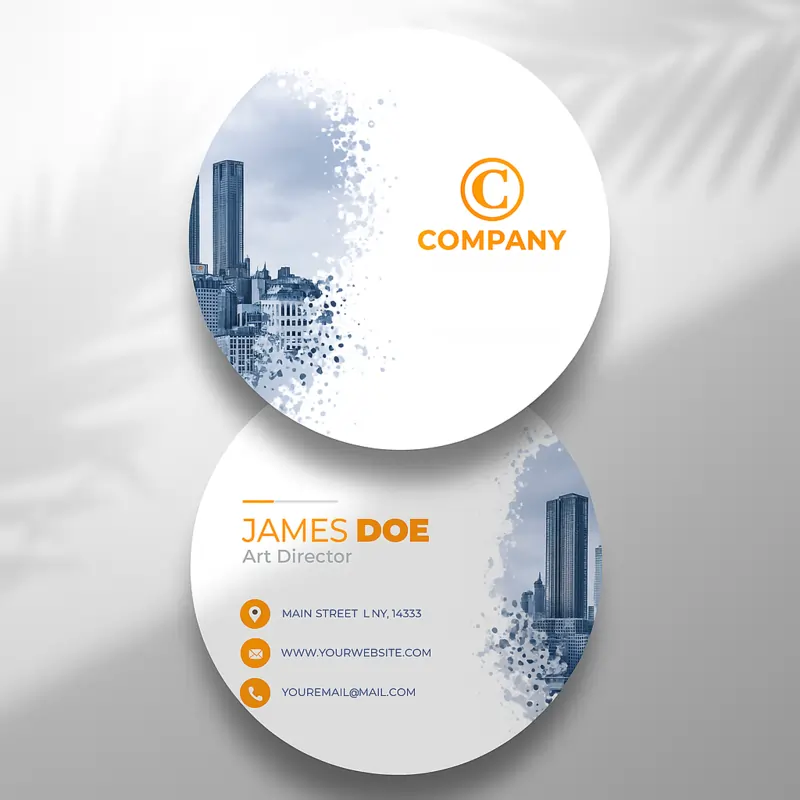
Circle Visiting Cards
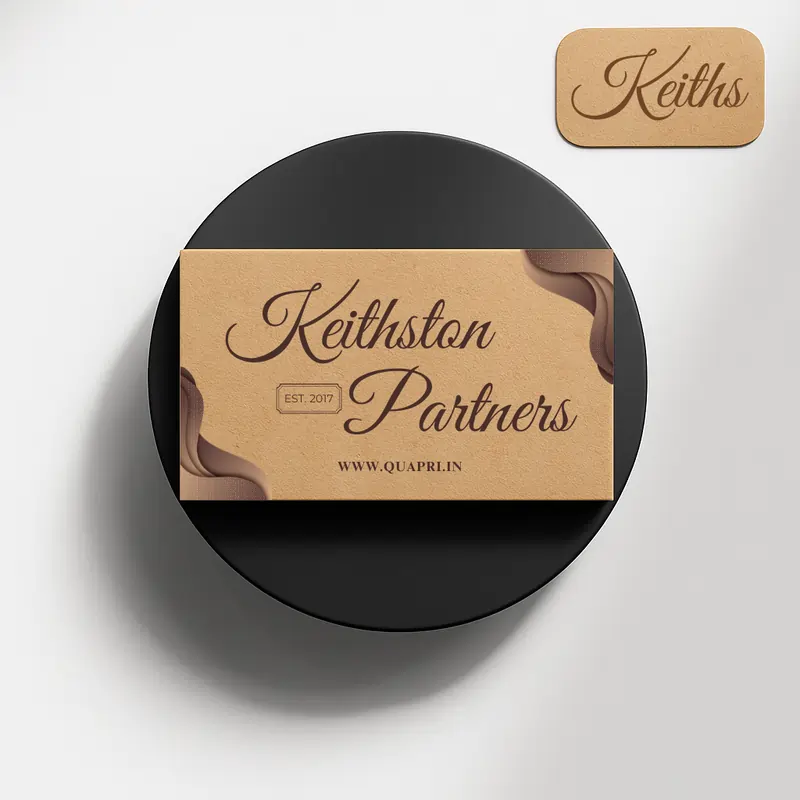
Eco-Friendly Business Card

Glossy Business Cards

Matte Visiting Cards

Metallic Finish Business Cards
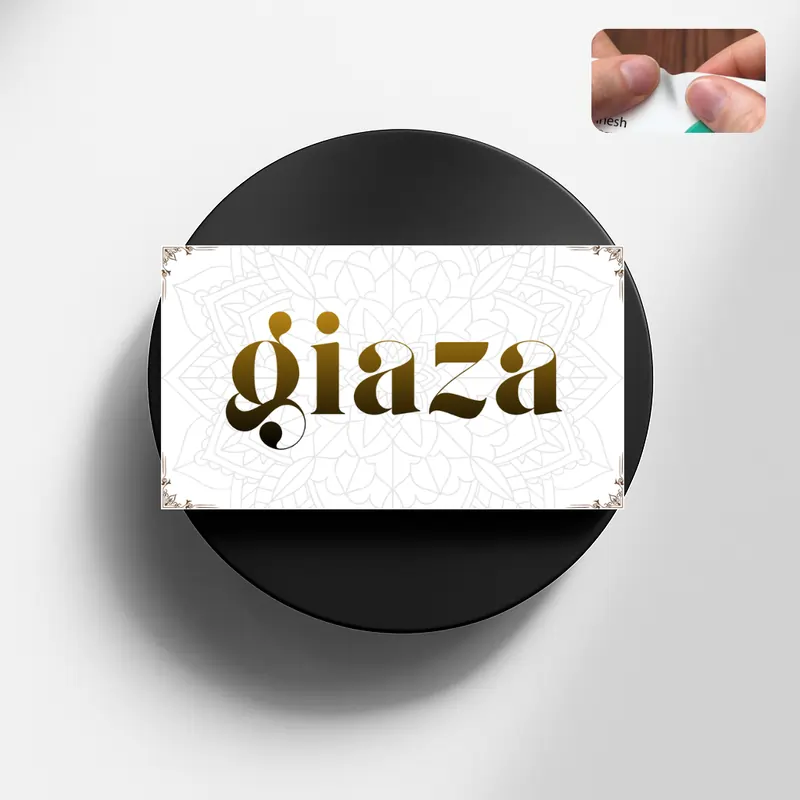
Non-Tearable Visiting Cards
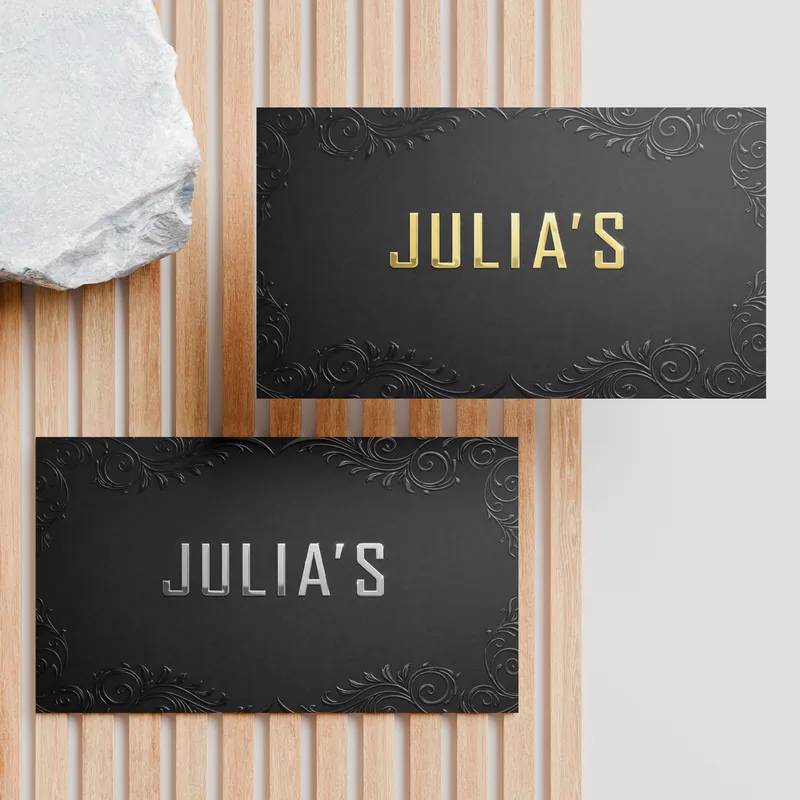
Premium Visiting Cards
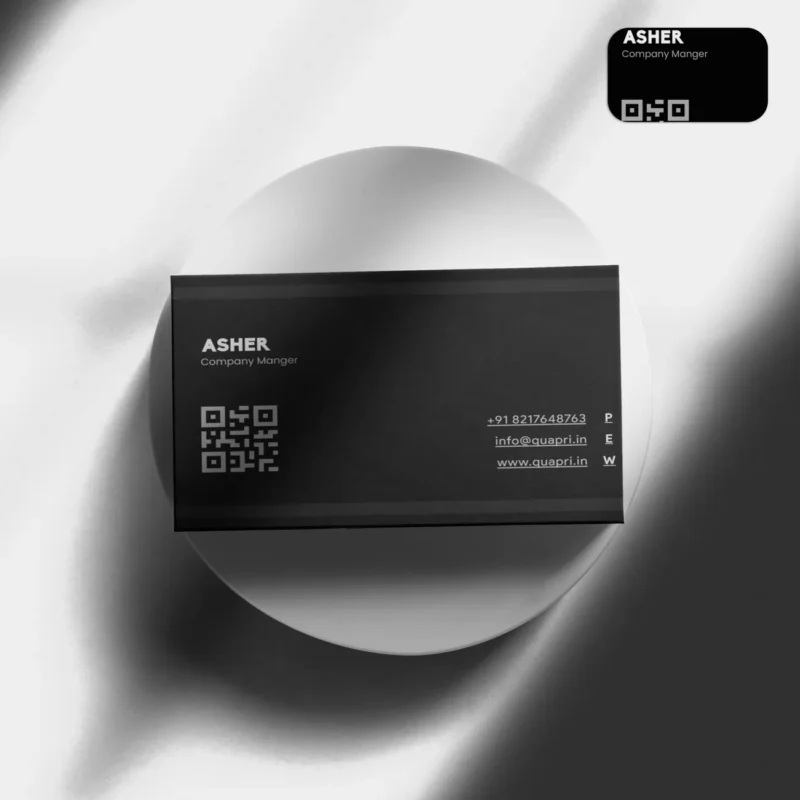
QR Code Business Cards

Standard Visiting Cards