





The Importance of Business Letterheads: How Quality Print Builds Brand Trust
The Importance of Business Letterheads: How Quality Print Builds Brand Trust Imagine receiving two quotations: one on plain paper, the

Imagine receiving two quotations: one on plain paper, the other on a crisp, well-printed company letterhead. Which business would you trust more? That small difference is the importance of business letterheads. A letterhead shows your company name, logo and contact details on every official document, and the quality of the print tells clients you take your business seriously. In this guide, you’ll learn what a letterhead includes, where it is used, how to design one, and how paper and print quality build brand trust.
What Is a Business Letterhead?
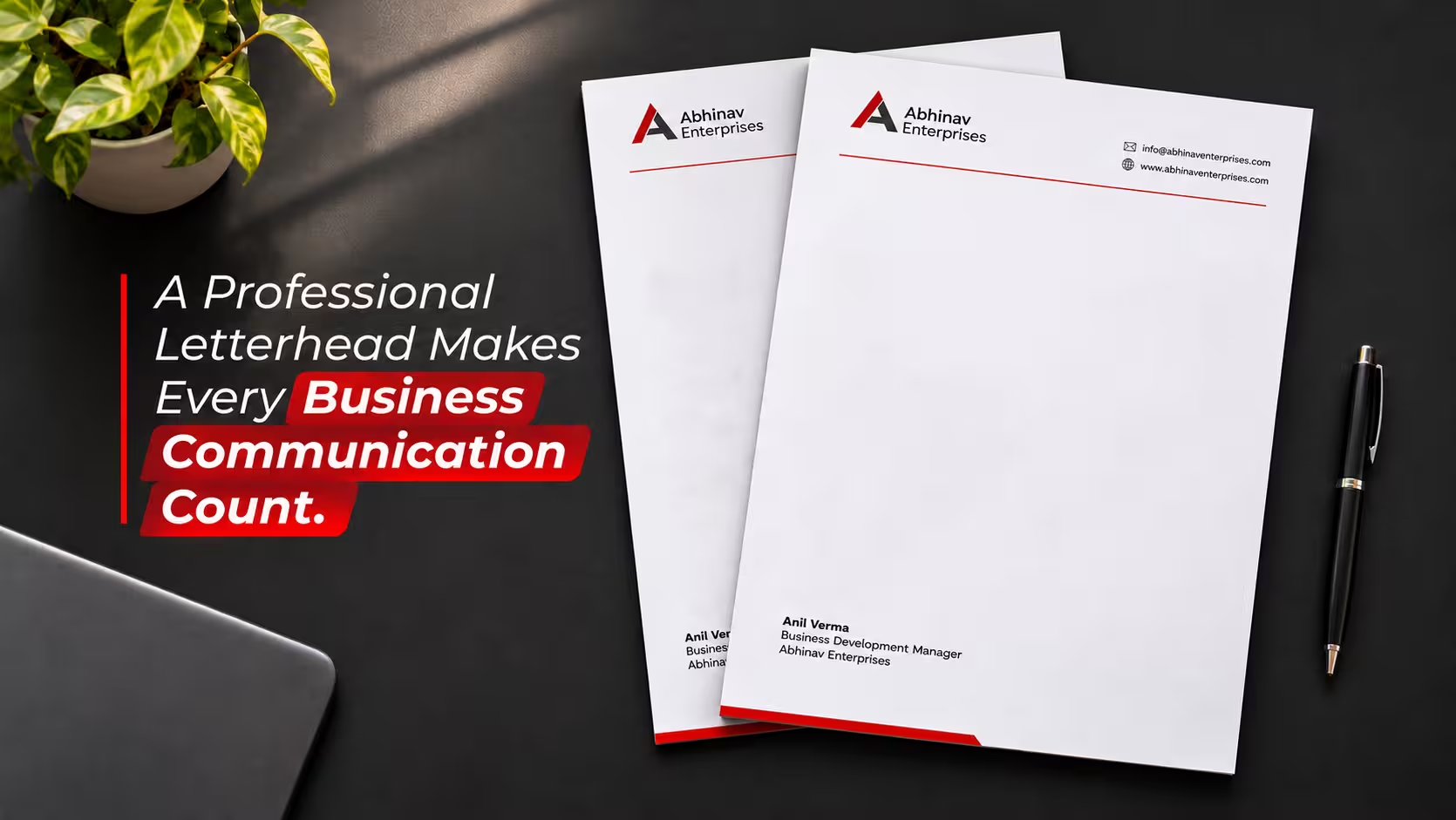
A business letterhead is a printed or digital document header that displays a company’s identity and important business information. It is commonly used at the top of official documents to identify the organisation and provide relevant contact details.
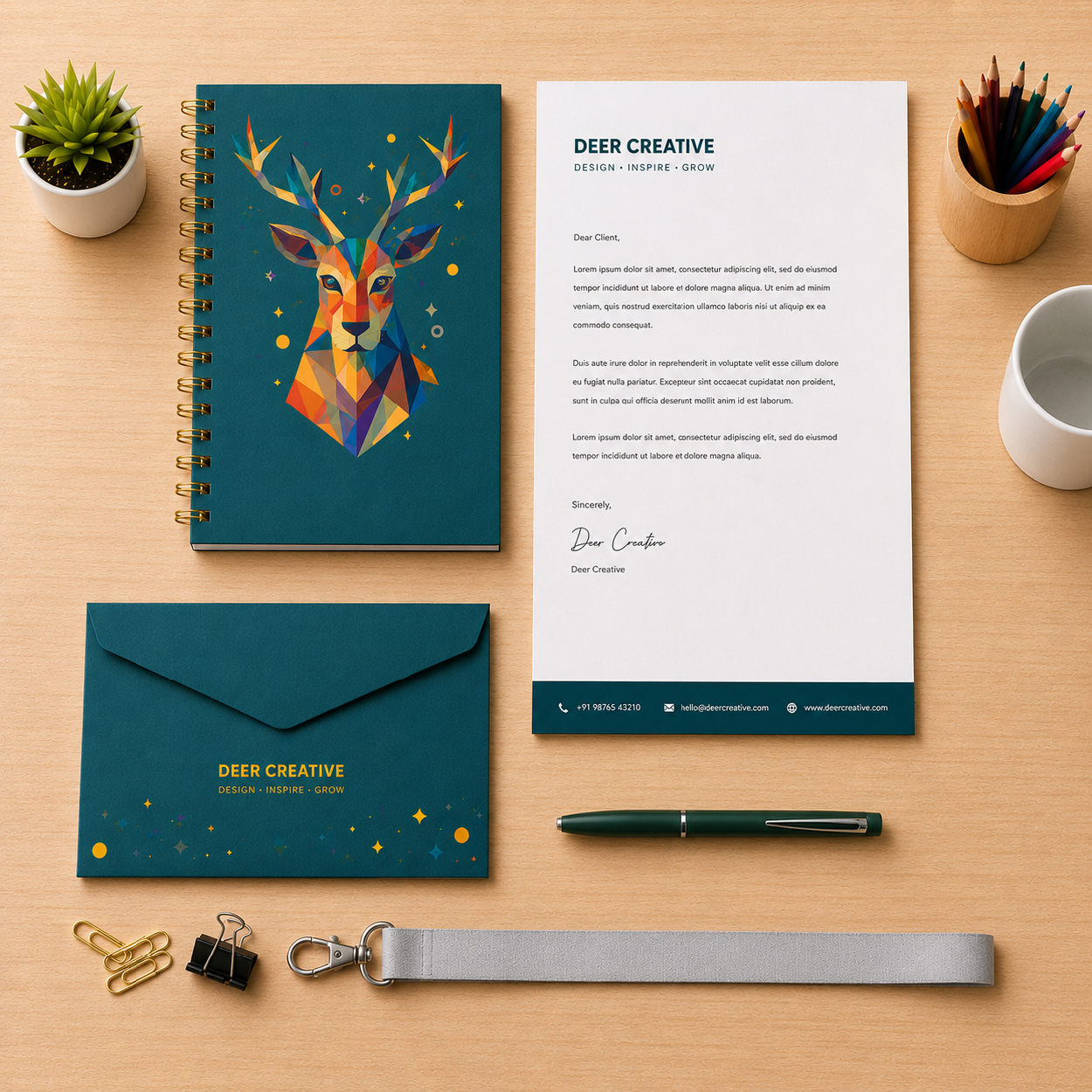
A standard business letterhead generally includes:
- Company Name and Logo: Identifies the business and its brand.
- Business Address: Provides the company’s office or registered address.
- Contact Number and Email Address: Helps recipients get in touch with the business.
- Website URL: Directs readers to the company’s official website.
- Brand Colours and Design Elements: Reflects the company’s visual identity.
- Registration Details: Includes relevant business registration information, if required.
Businesses can customize the layout according to their requirements while keeping the document suitable for formal communication.
Why Are Business Letterheads Important?
Business letterheads play an important role in official communication by helping companies present their documents professionally and maintain a consistent business identity. They do more than display a company name and logo; they also help build trust, improve brand visibility and make business correspondence easier to manage. Here are four key reasons why business letterheads are useful.
1. Creates a Professional Impression
A well-designed letterhead gives business documents a neat and professional appearance. Using branded letterheads for quotations, invoices, proposals and formal letters shows attention to detail. A clear layout with properly arranged company details also makes documents easier to read and understand. This helps businesses create a positive impression when communicating with clients, suppliers and potential business partners.
2. Improves Brand Recognition
A business letterhead helps people recognise a company’s identity through its logo, brand colours, name and other visual elements. Using these consistently across letters, proposals and printed documents makes it easier for recipients to identify the business, including when documents are shared outside the company. Over time, this repeated visibility makes the business more familiar to clients and business partners and helps strengthen brand recognition.
3. Supports Business Credibility
An official letterhead helps identify a business by displaying details such as its company name, address, contact number, email address and website. These details allow recipients to recognise the organisation and find contact information when they need clarification or further details. This is especially useful when sending proposals, quotations, agreements or formal requests to new clients and suppliers, as it provides a clear reference and supports reliable business communication.
4. Simplifies Business Communication
Using a standard letterhead template makes it easier for employees to prepare official business documents. Instead of adding the company name, logo and contact details each time, they can use an existing format and focus on the content. This reduces preparation time and maintains consistency across departments. It is particularly useful for businesses that regularly prepare quotations, appointment letters, announcements, client correspondence and other formal documents.

Some common applications of business letterheads include:
| Business Document | Purpose |
|---|---|
| Official Letters | Communicating with clients, employees and business partners |
| Business Proposals | Presenting project details and business offers |
| Price Quotations | Sharing product or service pricing |
| Invoices and Bills | Providing payment and transaction details |
| Purchase Orders | Confirming business purchases |
| Appointment Letters | Communicating employment offers |
| Agreements and Notices | Sharing formal business information |
| Recommendation Letters | Providing professional references |
For example, a company can use its letterhead when preparing a price quotation for a potential customer or issuing an appointment letter to a new employee.
How Quality Business Letterheads Build Brand Trust
A business letterhead is often among the first things people notice when receiving an official company document. Its print quality can influence how recipients view the business and its communication. A well-produced letterhead shows that the company takes care with its correspondence and the information it shares. This can create a positive impression and build confidence among clients, suppliers and business partners in everyday business interactions.
Quality printing also helps businesses:
- Show Attention to Detail: A neatly printed letterhead reflects the effort a business puts into preparing its official documents. It shows that even small details are considered when communicating with others.
- Create a Positive Experience: Receiving a well-printed document makes business correspondence easier to read and more pleasant to review, especially when sharing important information.
- Build Confidence in Business Interactions: When documents are presented clearly and carefully, recipients can review the information without unnecessary distractions. This supports better communication during business dealings.
- Support a Professional Business Image: Quality printed letterheads help businesses maintain a suitable standard when sharing important documents with clients, suppliers and other organisations.
Ultimately, quality business letterhead printing is about more than producing a good-looking document. It helps businesses communicate with care, present information clearly and create a positive experience for the people they work with.
How to Create a Professional Business Letterhead Design?
Creating a professional business letterhead design involves arranging company details in a clear layout that reflects your brand identity. You can create a design using graphic design software or customize a template based on your business requirements.
Follow these steps:
- Select a Layout: Decide where to place the company details, such as the top header, bottom footer or both.
- Use Your Brand Identity: Include your company logo, colours and fonts to maintain consistent branding.
- Choose a Design Style: Consider minimalist, corporate, modern, premium or creative designs based on your business identity.
- Arrange the Elements: Keep the logo and business information organised and easy to read.
- Consider Document Space: Leave enough room for the main letter content without making the header or footer too large.
- Prepare the Print File: Save the final design as a print-ready PDF with suitable resolution and margins.
Before sending the file for printing, check the alignment, spacing and placement of all elements.

Types of Business Letterheads
Business letterheads are available in different styles to suit the nature and identity of an organisation. Each type offers a different approach to business stationery, allowing companies to choose a style that matches their industry and communication needs.
| Type of Business Letterhead | Description |
|---|---|
| Traditional Business Letterheads | Follow a classic and formal style. They are commonly used by established businesses, legal firms and professional organisations. |
| Modern Business Letterheads | Use contemporary design styles to give documents an updated look. They are suitable for startups, technology companies and modern businesses. |
| Minimalist Business Letterheads | Focus on simplicity with very few decorative elements. They are ideal for businesses that prefer understated stationery. |
| Corporate Business Letterheads | Suit the formal communication needs of larger organisations. They help maintain a consistent stationery style across different teams and departments. |
| Creative Business Letterheads | Use distinctive design approaches to reflect a company’s personality. They are suitable for advertising agencies, design studios and media companies. |
Choosing the right type of business letterhead depends on your industry, brand identity and communication style. Consider these factors when selecting a design that represents your organisation.
What Is the Standard Letterhead Format and Size?
The standard business letterhead size is A4, which is commonly used for official documents. Its dimensions provide sufficient space for the company details, main document content and footer information.
Here are some commonly used letterhead formats and their dimensions:
| Format | Dimensions |
|---|---|
| A4 (Standard) | 210 × 297 mm |
| A5 | 148 × 210 mm |
| US Letter | 8.5 × 11 inches |
A4 is widely used for business letterhead printing in India, while US Letter is commonly used in the United States. A5 is another option for shorter documents. The right format depends on your document requirements and the amount of content to be included.

Which Paper Is Best for Business Letterhead Printing?
Choosing the right paper is an important part of business letterhead printing. The paper type determines the sheet’s surface, thickness and overall feel. Different options are available depending on your printing needs and preferred finish.
Some commonly used paper options include:
- Maplitho Paper: A suitable choice for everyday office letterheads and regular document printing.
- Bond Paper: Commonly used for routine business correspondence.
- Executive Bond Paper: Ideal for businesses that prefer a more refined paper finish.
- Textured Paper: Offers a distinctive surface for premium business correspondence.
Apart from the paper type, its thickness is another factor to consider when choosing letterhead paper. This is measured in GSM, which helps determine how light or heavy the sheet feels.
Which GSM Paper Is Better for Letterheads?
GSM stands for Grams per Square Metre and refers to the weight of paper.
| Paper GSM | Common Use |
|---|---|
| 70–75 GSM | Everyday office communication |
| 80–90 GSM | Standard business letterheads |
| 100–120 GSM | Premium and thicker letterheads |
For most business requirements, 80–100 GSM is a practical choice. If you prefer a heavier sheet, 100–120 GSM is another option to consider.
Printed vs Digital Business Letterheads: Which Should You Choose?
Businesses can choose between printed and digital letterheads based on their document-sharing needs. Both formats serve different purposes in official business communication.
| Features | Printed Letterhead | Digital Letterhead |
|---|---|---|
| Format | Physical paper | Digital document |
| Usage | Physical letters and official documents | PDFs and online communication |
| Appearance | Printed design on paper | Design displayed on screen |
| Sharing | Hand delivery or post | Email and digital platforms |
| Best For | Physical correspondence and signed documents | Quick document sharing |
Many businesses use both formats to manage their communication needs. Digital letterheads are convenient for sharing documents online, while printed letterheads are suitable for physical correspondence.
Common Mistakes to Avoid When Designing Letterheads
Certain design and printing mistakes can affect the final output. Keep these points in mind before sending your design for printing:
- Using low-resolution logos or images.
- Choosing fonts that are difficult to read.
- Adding too many decorative elements.
- Missing important business details.
- Placing content too close to the page edges.
- Using incorrect dimensions or print settings.
- Not checking the final PDF before printing.
Reviewing the design and print file before production helps avoid errors and unnecessary reprints.
Give Your Business Communication a Professional Look with Quapri
Business letterheads are a useful part of a company’s printed stationery. Choosing the right layout, paper type, size and printing specifications helps you create documents that suit your everyday business requirements.
Visit QuapriCatalogue.com to discover more business printing products, compare available features and explore suitable options for your branding needs.
Frequently Asked Questions About Business Letterheads
A business letterhead helps identify a company and gives official documents a professional appearance. It usually includes the company name, logo, address and contact details. It is commonly used for business letters, invoices, quotations and other official communication.
To create a business letterhead, start with your company logo, name and contact details. Arrange these elements in a clean layout with suitable colours and fonts. Choose an appropriate paper size and printing quality to make the letterhead suitable for everyday business use.
Business letterheads are commonly printed on high-quality uncoated paper, such as bond paper or premium offset paper. These papers provide a smooth writing surface and are suitable for printing official documents and adding handwritten signatures.
For business letterheads, 80 GSM to 100 GSM paper is a commonly used range. 80 GSM is suitable for regular office communication, while 100 GSM offers a slightly thicker and more premium feel. The right choice depends on your printing and business requirements.
A letterhead is also commonly called business stationery or company stationery. It refers to printed or digitally designed document stationery that carries a company’s name, logo and contact information.