





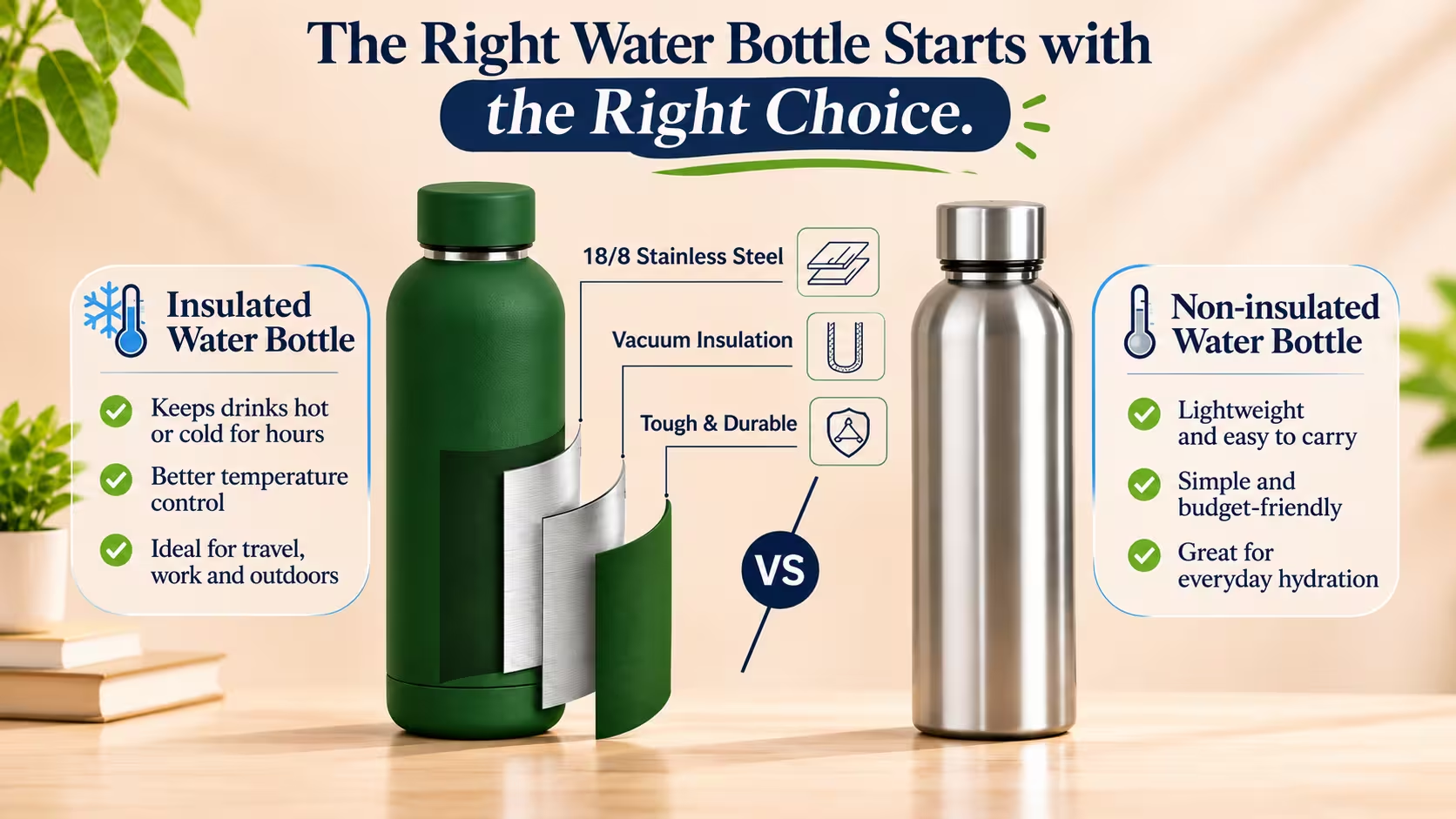
Insulated vs Non-insulated Water Bottles: How to Choose the Right One
Insulated vs Non-insulated Water Bottles: How to Choose the Right One A water bottle is more than just a container;

A water bottle is more than just a container; the right choice can make everyday hydration easier and more convenient. Whether you need a bottle for work, travelling, the gym or outdoor activities, understanding its features can help you make a better choice. Insulated vs Non-insulated Water Bottles offer two different ways to carry your favourite drinks. While insulated bottles help maintain beverage temperatures for longer, non-insulated bottles are a simple and lightweight option for everyday hydration. In this guide, let’s explore their features, construction, materials, benefits and uses to help you choose the right one.
Insulated vs Non-insulated Water Bottles: Features
| Feature | Insulated Water Bottles | Non-insulated Water Bottles |
|---|---|---|
| Construction | Usually have two walls with an insulating layer between them. | Usually have a single wall without an insulating layer. |
| Temperature retention | Keeps drinks hot or cold for several hours. | Drinks become warm or cool as the surrounding temperature changes. |
| Weight | Usually heavier because of the extra wall and insulation. | Usually lighter and easier to carry. |
| Material | Mostly made of stainless steel, with plastic lids and silicone seals. | Available in plastic, glass, aluminium and stainless steel. |
| Condensation | The outside usually stays dry when carrying cold drinks. | Water droplets may form on the outside when carrying cold drinks. |
| Durability | Depends on the material and build quality. Damage to the insulation can affect how well it keeps drinks hot or cold. | Depends on the material and build quality. Glass bottles can break if dropped. |
What Are Insulated Water Bottles?
An insulated water bottle is designed to keep beverages at their desired temperature for longer than a regular bottle. It has an insulating layer between its inner and outer walls that slows down heat transfer, helping maintain the temperature of the drink for several hours.
These bottles are also known as vacuum flasks, vacuum bottles, thermal bottles or thermosteel bottles. Thermos is another commonly used name, although it is originally a brand name.
How Do Insulated Water Bottles Work?
Most insulated water bottles use double-wall vacuum insulation. They have two separate walls, usually made of stainless steel, with a vacuum space between them. Removing the air from this space helps slow down heat transfer and maintain the beverage’s temperature.
The vacuum layer reduces heat transfer in three ways:
- Reduces conduction: The absence of air between the walls limits heat transfer through direct contact.
- Reduces convection: Without air in the vacuum space, there is no air circulation to transfer heat between the walls.
- Reduces radiation: Some bottles have reflective copper or aluminium coatings that help reduce heat transfer through thermal radiation.
A tightly fitted lid with a silicone gasket also helps prevent heat from escaping or entering through the bottle opening.
Some insulated bottles use foam or fibreglass instead of vacuum insulation. These materials trap air between the walls and slow down temperature changes, although their insulation performance may vary.

Materials Used in Insulated Water Bottles
Different materials are used to make insulated water bottles. Each part has a specific role in keeping the bottle strong, safe and easy to use.
| Component | Common materials | Purpose |
|---|---|---|
| Inner liner | 304 or 316 food-grade stainless steel | Holds drinks and prevents rust and corrosion. |
| Outer shell | 201 or 304 stainless steel | Makes the bottle strong and protects its inner parts. |
| Insulation layer | Vacuum, foam or fibreglass | Helps slow down heat transfer. |
| Reflective coating | Copper or aluminium | Helps reduce heat loss through radiation. |
| Lids and caps | BPA-free polypropylene (PP), Tritan or stainless steel | Keeps the bottle securely closed. |
| Gaskets and seals | Silicone | Prevents leaks around the lid. |
The outside of the bottle may have a powder-coated, spray-painted, polished or brushed finish. These finishes give the bottle different colours and textures while also protecting its surface.
Benefits and Everyday Uses of Insulated Water Bottles
Insulated water bottles are useful for carrying drinks and keeping them at the right temperature for longer. They do not need electricity or any external heating or cooling source, making them a convenient choice for everyday use.
Other important benefits include:
- Temperature retention: Keeps cold drinks cold and hot drinks hot for hours, depending on the bottle’s design and lid.
- No outside sweating: Helps prevent water droplets from forming on the outside of the bottle.
- Convenient carrying: Helps keep your bag, papers and electronic devices dry.
- Reusable and durable: Stainless steel bottles are suitable for regular use and can last for many years with proper care.
- Better everyday usability: Allows you to carry different drinks and enjoy them at your preferred temperature.
Insulated bottles are useful in several situations:
- Office and workplace: Carrying tea, coffee or water to enjoy throughout the workday.
- Travel and commuting: Carrying chilled water during daily travel, road trips and long journeys.
- Sports and fitness: Keeping drinking water handy during workouts and outdoor activities.
- Camping and hiking: Carrying hot or cold drinks during outdoor trips.
- Corporate gifting: Customised insulated bottles are useful gifts for employee welcome kits, business events and promotional campaigns.
Insulated Water Bottle Safety, Cleaning and Maintenance
Insulated water bottles are generally safe for everyday use when they are made from food-grade materials and used as recommended by the manufacturer.
Here are some safety points to check when choosing a bottle:
- Food-grade stainless steel: Choose an inner liner made from 304 (18/8) or 316 stainless steel, as these materials are suitable for storing beverages.
- Safe insulation: Make sure the bottle has a properly sealed insulation layer between its walls.
- Quality lids and seals: Check that the lid fits properly and the silicone gaskets are safe for food contact.
- Reliable certifications: Look for food-contact safety details and relevant standards such as BIS, FDA or LFGB, where applicable.
Regular cleaning helps prevent bacteria, mould and bad smells, especially around the lid, straw and silicone seals.
Follow these simple cleaning and maintenance tips:
- Wash the bottle and removable lid parts regularly with warm water, mild soap and a bottle brush.
- Clean the silicone gasket, straw and drinking spout to remove dirt and leftover drink residue.
- Let all parts dry completely before closing the bottle.
- Check the manufacturer’s instructions before using a dishwasher. Avoid harsh cleaning materials.
- Avoid dropping the bottle or hitting it against hard surfaces, as this can damage its insulation.
- Replace worn or damaged silicone seals to prevent leaks.
Insulated Water Bottle Lifespan and When to Replace It
The lifespan of an insulated water bottle depends on its material, build quality, how often it is used and how well it is maintained. Different parts of the bottle may also need replacement at different times.
| Component | Expected lifespan and condition |
|---|---|
| Stainless steel body | Can last for many years with proper care. |
| Vacuum insulation | Often lasts 5 years or longer if the bottle walls and vacuum seal remain undamaged. |
| Silicone gaskets | May need replacement every 1–3 years, depending on use and cleaning. |
| Lid and cap | Lifespan depends on the material, how often they are washed and how they are handled. |
Look for these signs when deciding whether to repair or replace your bottle:
- Reduced temperature retention: Drinks become warm or cool faster than before, or the outer wall feels unusually hot or cold.
- Damaged seals: The lid starts leaking, or the silicone gasket becomes cracked, stiff or loose.
- Visible rust or mould: Rust appears inside the bottle, or mould and unpleasant odours remain even after cleaning.
- Physical damage: Deep dents, damaged seams or a loose or damaged bottom seal.
If the vacuum layer is damaged, the bottle may lose its ability to maintain beverage temperature even if it still holds liquids. In such cases, replacing the bottle may be a better choice.
What Are Non-insulated Water Bottles?
Non-insulated water bottles are used to store and carry beverages without a special temperature-retaining layer. They usually have a single-wall construction, allowing heat to pass between the drink inside and the surrounding air. Unlike vacuum-insulated bottles, they do not have an air-free space or extra insulating material between two walls.
They are also known as single-wall water bottles, uninsulated bottles or non-thermal bottles. Their simple design makes them a convenient choice for everyday hydration.
Construction and Materials of Non-insulated Water Bottles
Non-insulated bottles usually have a single layer of material, making them lighter and simpler in design than double-wall insulated bottles.
They are available in different materials, each with its own features:
- Plastic: Lightweight, affordable and easy to carry. Food-grade, BPA-free plastic is commonly used for reusable bottles.
- Stainless steel: Strong, reusable and suitable for regular use.
- Aluminium: Lightweight and usually has an inner lining to protect the metal.
- Glass: Clear and does not easily retain flavours, but needs careful handling as it can break when dropped.
Benefits and Common Uses of Non-insulated Water Bottles
Non-insulated water bottles are a good choice for people who mainly carry room-temperature water and do not need their drinks to stay hot or cold for long periods.
Their main benefits include:
- Lightweight construction: Easy to carry without the extra weight of an insulating layer.
- Affordable pricing: Generally costs less than double-wall insulated bottles.
- Simple design: Easy to use for everyday hydration.
- Compact structure: Often fits easily into bags and bottle holders.
- Material choices: Available in plastic, glass, aluminium and stainless steel to suit different needs.
Common uses include:
- School and college: Easy to carry in school and college backpacks.
- Office: Useful for keeping drinking water at desks.
- Daily commuting: Convenient to carry during short trips and daily travel.
- Gym and sports: Suitable for carrying water during workouts.
- Home and outdoor activities: Useful for everyday drinking water.
- Promotional activities: Suitable for customised giveaways, events and business merchandise.
One thing to keep in mind is that cold drinks can cause condensation on the outside of single-wall bottles. This may leave water droplets on your hands, desk or other items inside your bag.

Which Water Bottle Should You Choose?
Choosing between insulated and non-insulated water bottles depends on your daily needs, budget and how you plan to use the bottle.
An insulated water bottle is a good choice if you travel often, carry hot beverages or want to keep your water cold throughout the day. It is useful for long journeys, outdoor activities and long working hours.
A non-insulated water bottle is a better option if you mainly carry water to school, college, the office or on short trips. It offers a simple and affordable way to carry drinking water.
Before choosing, consider these points:
- Temperature requirements: Decide if you need to keep your drinks hot or cold for several hours.
- Portability: Check the bottle’s weight and size, especially if you carry it throughout the day.
- Budget: Choose a bottle that fits your budget and offers the features you need.
- Material: Pick a material that suits your daily use and cleaning preferences.
- Purpose: Think about whether you need the bottle for personal use, travel, sports or corporate gifting.
Both types have their own uses. Choose the one that best fits your daily routine and needs.
Common Mistakes to Avoid When Using Insulated and Non-insulated Water Bottles
| Insulated Water Bottles | Non-insulated Water Bottles |
|---|---|
| Avoid storing carbonated drinks unless the bottle is designed to handle the pressure. | Avoid using plastic bottles for hot drinks unless they are designed for them. |
| Do not heat the bottle directly over a flame or stove, as pressure can build up inside. | Avoid leaving the bottle in a hot car, as the water can heat up quickly. |
| Avoid storing milk or dairy drinks for long periods, as they can spoil quickly. | Avoid leaving sugary or dairy drinks inside for long periods, as they can encourage bacterial growth. |
| Avoid filling the bottle completely to the top with hot liquids, as they can spill when the lid is opened. | Avoid using single-wall bottles to carry hot drinks without checking whether the material is suitable. |
| Do not use the bottle for carbonated drinks if its lid is not pressure-resistant. | Avoid placing a single-wall metal bottle directly on a heat source unless it is designed for heating. |
Custom Printed Insulated and Non-insulated Water Bottles for Businesses
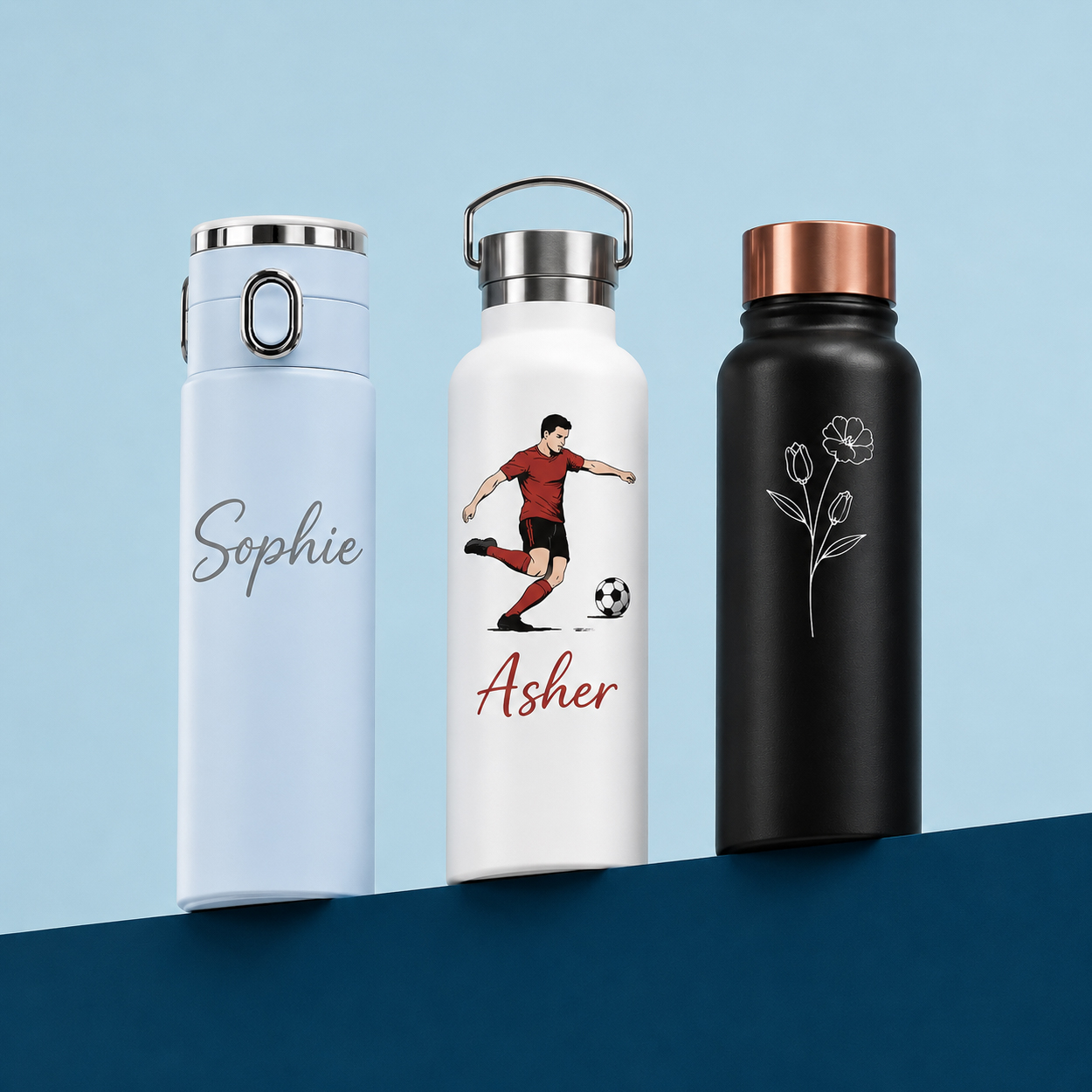
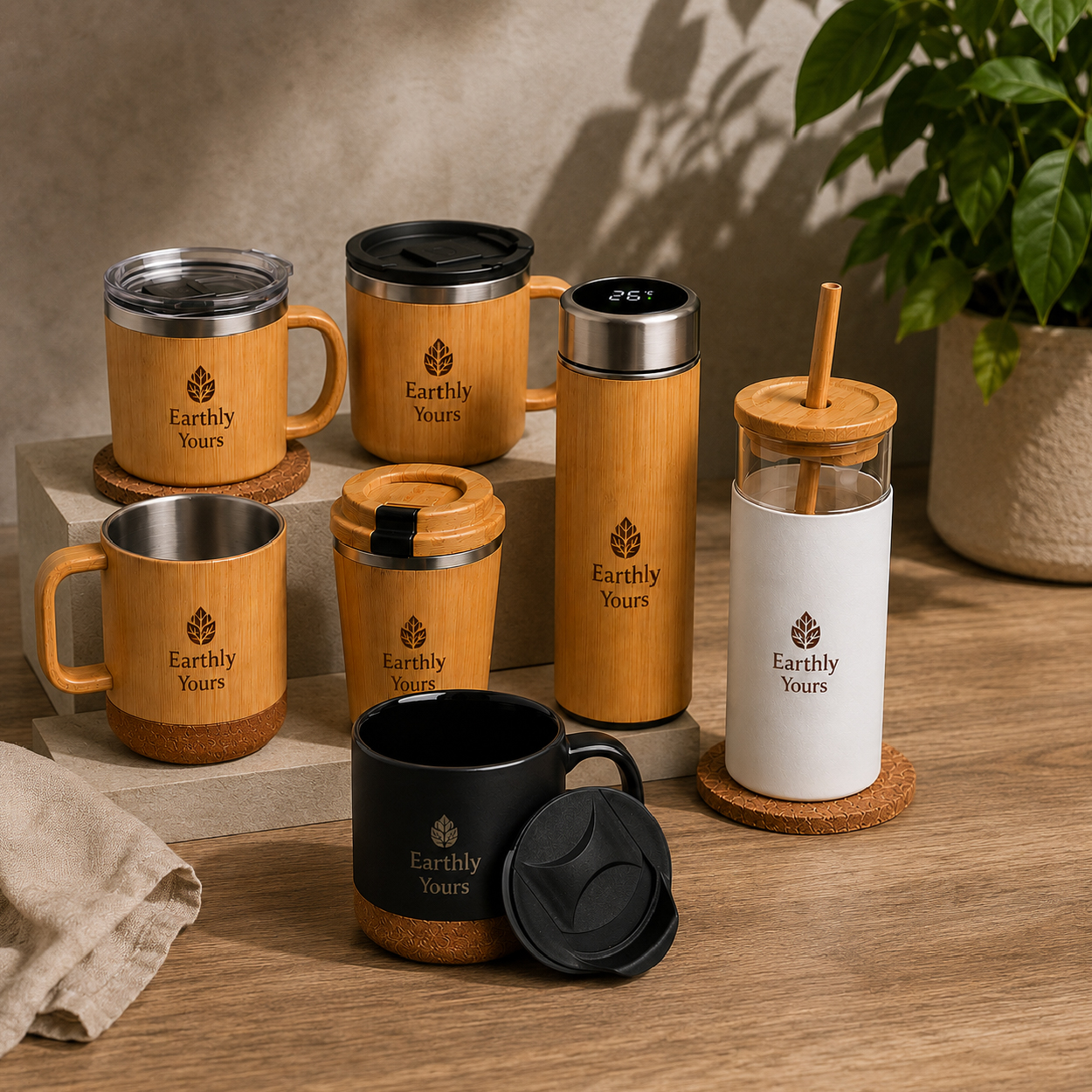
Both insulated and non-insulated water bottles can be customised with company logos, brand colours, names, messages and creative designs. They make useful promotional products that help businesses keep their brand visible.
Businesses, educational institutions and event organisers can choose insulated bottles for premium corporate gifting and employee welcome kits. Non-insulated bottles are a suitable choice for promotional campaigns, sports events and giveaways.
Printing Methods for Custom Water Bottles
The printing method used for insulated and non-insulated water bottles depends on the bottle’s material, surface finish, shape and design. Each method works differently and is suitable for specific types of designs.
| Printing method | How it works | Suitable applications |
|---|---|---|
| Screen printing | Applies ink to the bottle through a mesh screen. | Simple logos and designs. |
| UV printing | Uses ultraviolet light to dry and set ink on the surface. | Detailed and colourful designs. |
| Laser engraving | Uses a laser to create a permanent mark on the surface. | Logos and text on compatible metal bottles. |
| Digital printing | Prints artwork directly onto compatible surfaces using digital technology. | Multicolour designs and detailed graphics. |
Not every printing method works with all bottle materials and finishes. The bottle’s surface coating, shape and design requirements should be checked before choosing a printing technique.
Find Custom Printed Water Bottles at Quapri
Whether you need water bottles for everyday use, corporate gifting or promotional campaigns, choosing the right bottle and print quality helps you get products that suit your purpose.
At Quapri, you can explore customised products for business promotions, corporate events, gifting and personal use. Add your logo or design to personalized water bottles to create practical products that also represent your brand.
Explore personalized water bottles and other customised products at QuapriCatalogue.com.
Frequently Asked Questions About Insulated and Non-insulated Water Bottles
No. Stainless steel bottles can be either insulated or non-insulated. Insulated bottles have double-wall construction with a vacuum or insulating layer, while non-insulated bottles usually have a single wall.
Non-insulated bottles may develop water droplets on the outside when filled with cold drinks. This happens when warm air comes into contact with the cold bottle surface, causing moisture in the air to condense.
Yes, if the bottle is designed to hold hot beverages. However, it will not keep drinks hot for long, and its outer surface may become hot to touch.
Stainless steel is the most commonly used metal. Grades such as 304 and 316 food-grade stainless steel are commonly used for the inner lining, while the outer shell may use 201 or 304 stainless steel.
Check the following features:
- Food-grade stainless steel construction.
- Temperature retention capacity.
- Leakproof lid and quality seals.
- Bottle size and weight.
- Ease of cleaning.
- Overall build quality and warranty.
Related Products

Black Temperature Display Bottles

Fashion Sport Bottle

Personalized Bamboo Water Bottles

Stainless Steel Bottles
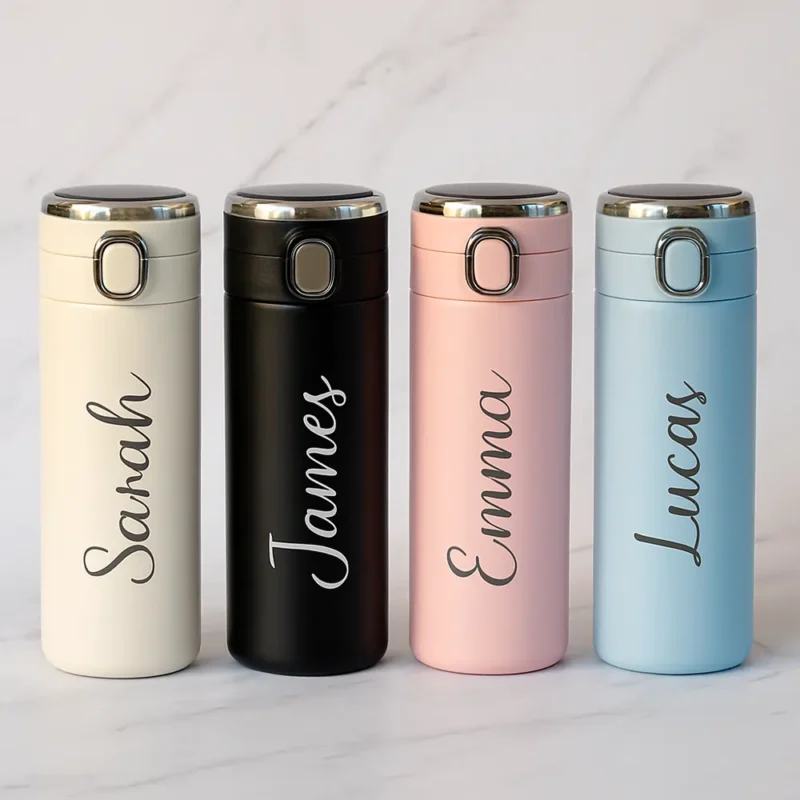
Temperature Water Bottles

Thermal Bottle with Cup
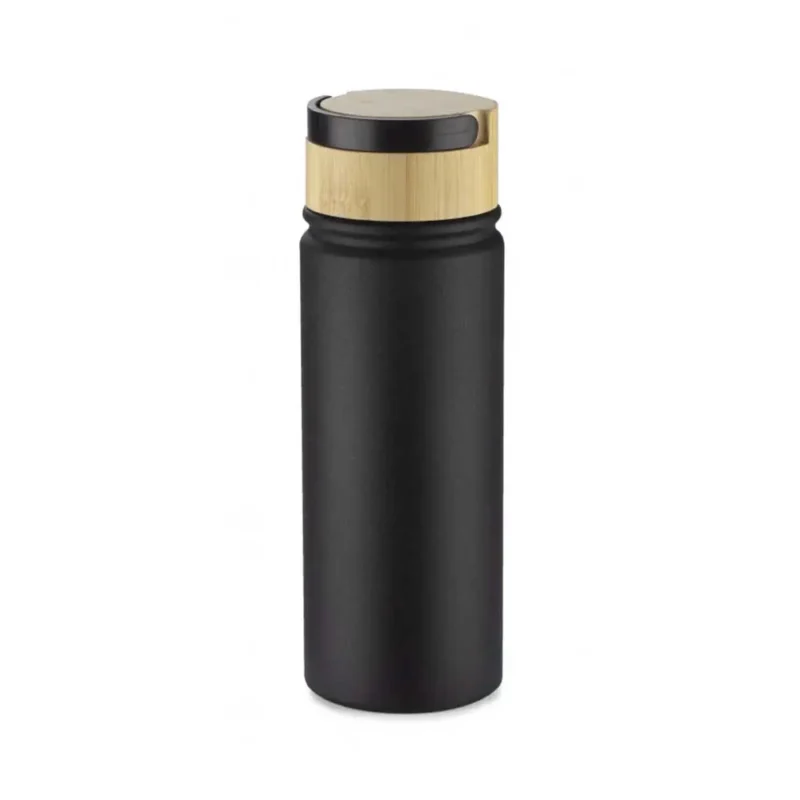
Thermos Water Bottles